Difference Between a Solar Inverter and Converter
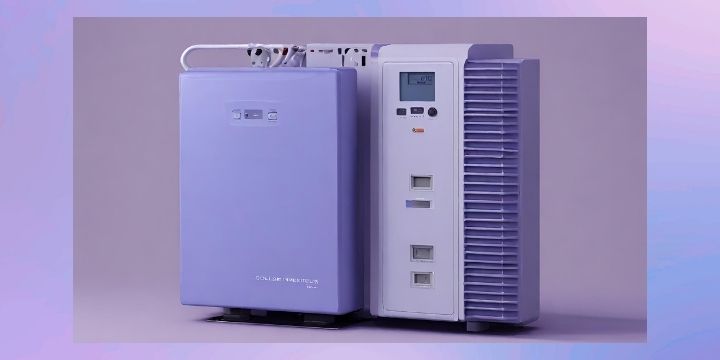
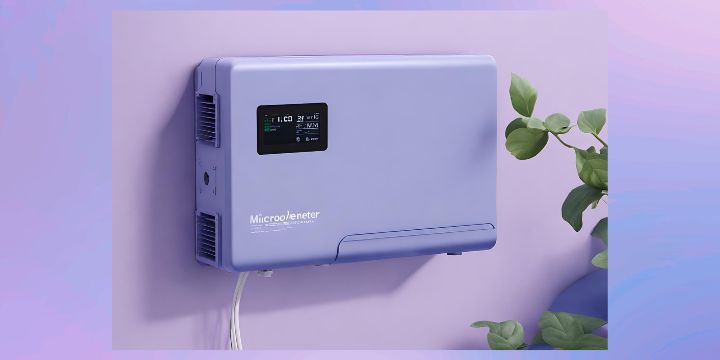
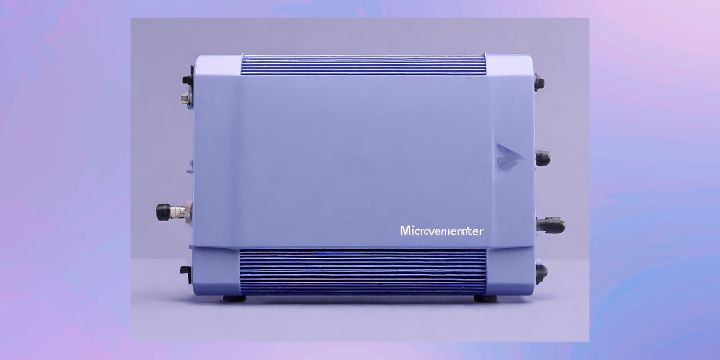
As you consider installing a solar panel system for your home, you need to understand the difference between two key components: the solar inverter and the solar converter. While the terms are often used interchangeably, these devices have very different functions in a solar power system.
The inverter is needed to convert the direct current or DC power generated by your solar panels into the alternating current or AC power used in your home. The converter on the other hand changes the voltage of the power to match what your appliances and equipment require.
Both devices are critical to ensuring you can effectively capture and utilize the energy from your solar panels. This article will explain the specific differences between inverters and converters so you can make the right choice for your solar needs.
What is the Difference Between a Solar Inverter and Converter?
A solar inverter and converter are two important components in a photovoltaic system, but they serve different purposes.
What is a Solar Converter?
A solar converter transforms the direct current (DC) power generated by solar panels into usable alternating current (AC) power for household appliances and the utility grid. It converts the voltage and frequency to match the local power standard.
Converters are usually less expensive and more efficient than inverters. However, they can only power resistive loads like lights, fans, and electronics. They cannot power inductive loads such as motors, pumps, and compressors.
Reliable Portable Power for Home, Travel & Emergencies
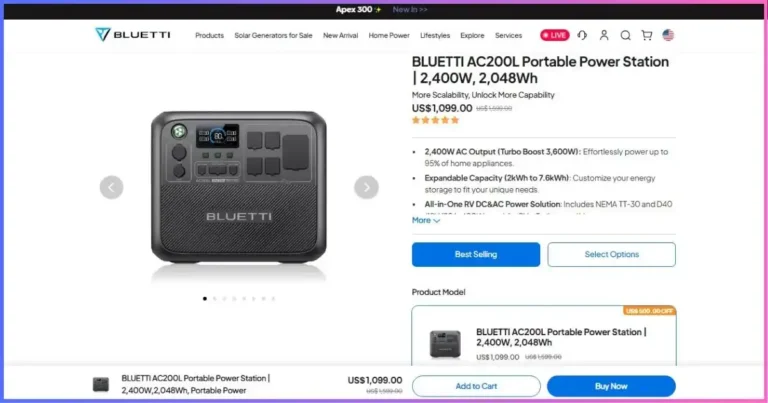
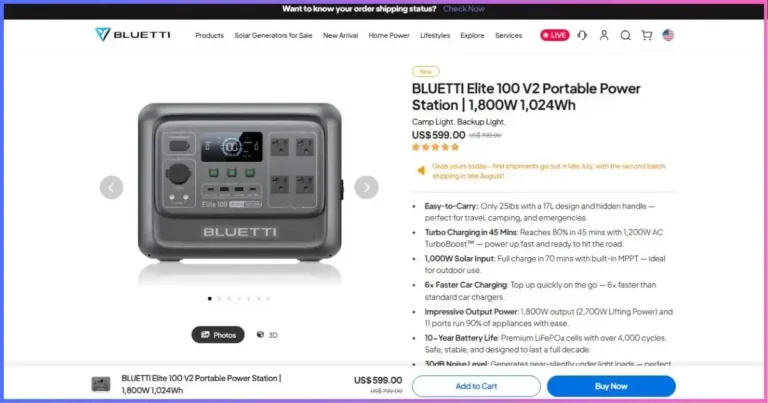
Looking for a dependable portable power station or solar generator? Bluetti offers high-quality backup power solutions for camping, RVs, off-grid living, home backup, and emergency preparedness. Their products combine long battery life, fast charging, and clean energy to keep your essential devices running wherever you are.
✓ Solar Generators
✓ Home Backup Solutions
✓ Fast Shipping & Warranty
Disclosure: This page contains affiliate links. If you purchase through our links, we may earn a commission at no additional cost to you.
What is a Solar Inverter?
A solar inverter, on the other hand, inverts the DC power from the solar panels into AC power. Inverters allow you to power your entire home with solar energy, including high-powered devices.
They provide backup power and enable you to sell excess solar energy back to the grid. Most household appliances run on AC power, so inverters are necessary for energy independence. Although inverters tend to be more expensive than converters, prices have dropped in recent years making them more affordable.
In summary, while a converter simply transforms DC to AC power, an inverter inverts DC power into AC power suitable for powering your whole house. Converters are good for basic needs but inverters provide complete energy backup and independence. For most residential solar installations, a high-quality inverter is worth the investment to maximize the benefits of your solar system.
Key Benefits of Using a Solar Inverter
A solar inverter is a critical component of any solar power system. It serves as the ‘brain’ of the system, converting the direct current (DC) power produced by solar panels into alternating current (AC) power that can be used by household appliances and devices. Using a high-quality solar inverter provides several key benefits:
Maximized Energy Production
Solar inverters utilize maximum power point tracking (MPPT) to continuously monitor your solar panels and adjust voltage to maximize energy production throughout the day as weather and sunlight conditions change. This allows your system to generate the most solar power possible, increasing energy output by up to 30% compared to a system without MPPT.
Optimized Energy Efficiency
Solar inverters with MPPT can also improve your system’s overall energy efficiency. By optimizing voltage for maximum power output, less energy is wasted as heat during the DC-to-AC conversion process. This results in lower cooling requirements and higher energy yields.
Enhanced System Protection
Advanced solar inverters are able to detect issues within the solar power system like overheating, short circuits, or ground faults. By shutting the system down when a fault is detected, the inverter prevents potential damage to components and protects the safety of your home. Once the issue has been resolved, the system can resume normal operation.
Our Recommendation: Bluetti Portable Power Stations
If you need reliable backup power, Bluetti is one of the brands we consistently recommend. Their portable power stations are ideal for:
- ✔ Power outages and emergency backup
- ✔ Camping and outdoor adventures
- ✔ RV and van life
- ✔ Off-grid living
- ✔ Charging laptops, phones, drones, cameras, and small appliances
We’ve found Bluetti to offer an excellent balance of battery capacity, reliability, and value compared to many competing brands.
Check Current Bluetti Offers →Affiliate Disclosure: We may earn a commission if you purchase through our links, at no extra cost to you.
Using a high-quality solar inverter with features like MPPT and fault detection provides significant benefits for any residential solar installation. In addition to maximizing energy production and efficiency, a solar inverter serves to optimize and protect your valuable investment in renewable energy.
Conclusion
As you have learned, solar inverters and converters play two very different roles in a photovoltaic system. While they are both critical components, it is important to understand the distinction between the two to ensure maximum efficiency and performance.