Solar Inverters vs Microinverters: A Comprehensive Comparison
When it comes to harnessing the power of the sun, the technology we choose matters immensely. A pivotal decision in this arena is picking between a traditional solar inverter and a Microinverter. So, how do they stack up against each other? Let’s dive in and find out.
What is The Difference Between Solar Inverters and Microinverters
Understanding Solar Inverters
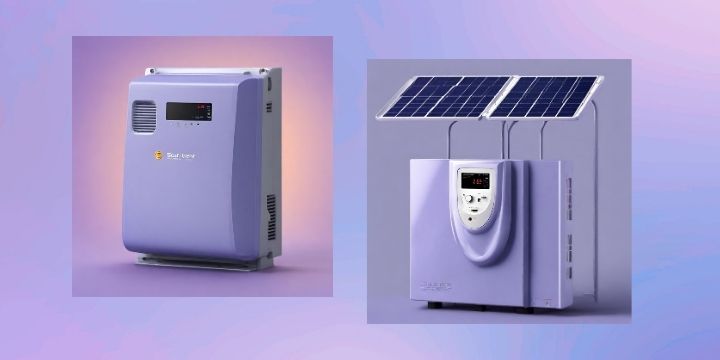
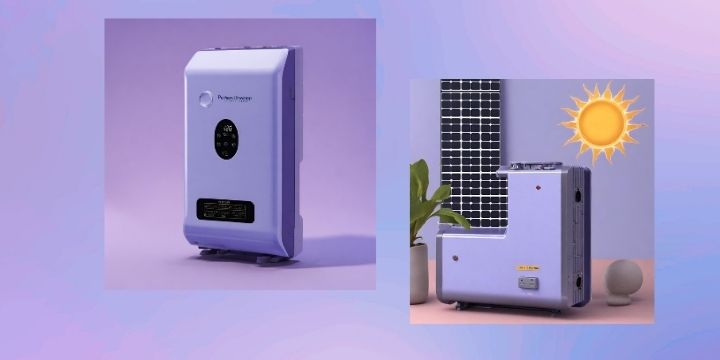
Solar inverters, often known as string inverters, are the proverbial workhorses of the solar energy world. They convert direct current (DC) produced by your solar panels into alternating current (AC), which is used by the majority of home appliances. These converters operate by linking your solar panels in a series, forming a ‘string’.
Reliable Portable Power for Home, Travel & Emergencies
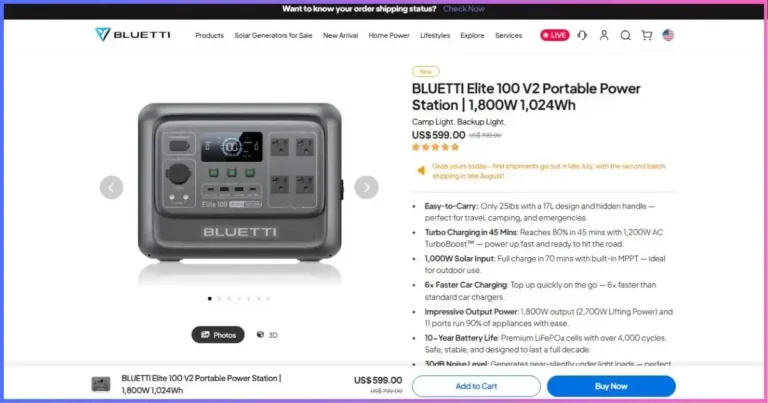
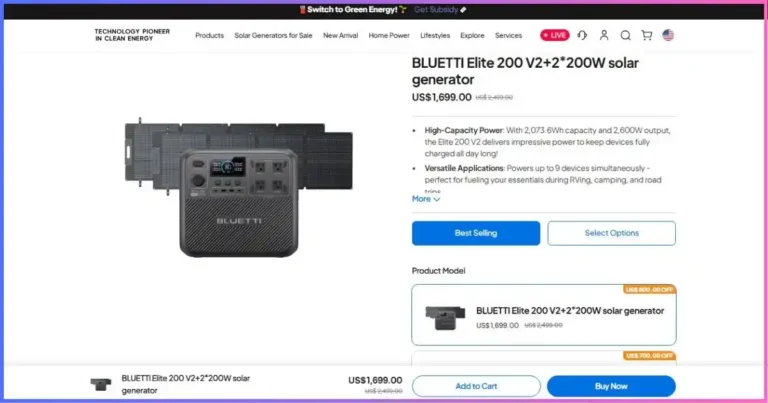
Looking for a dependable portable power station or solar generator? Bluetti offers high-quality backup power solutions for camping, RVs, off-grid living, home backup, and emergency preparedness. Their products combine long battery life, fast charging, and clean energy to keep your essential devices running wherever you are.
✓ Solar Generators
✓ Home Backup Solutions
✓ Fast Shipping & Warranty
Disclosure: This page contains affiliate links. If you purchase through our links, we may earn a commission at no additional cost to you.
The Intricacies of Microinverters
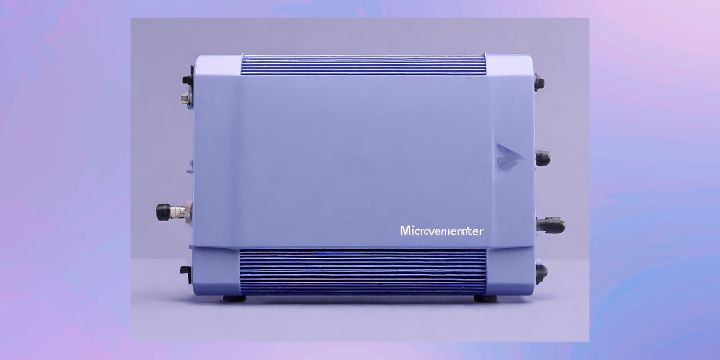
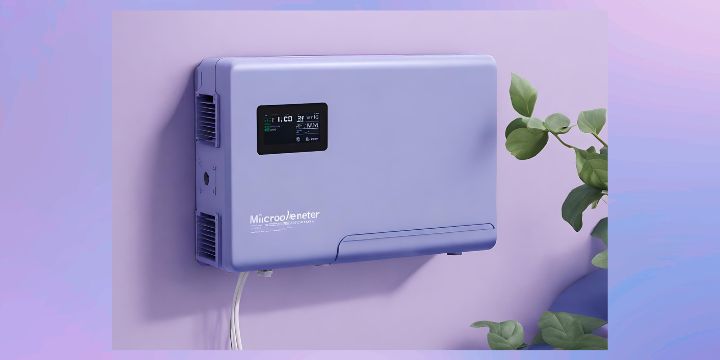
On the flip side, we have microinverters. Unlike their ‘string’ counterparts, microinverters are installed directly on each solar panel. This placement allows for individual DC to AC conversion at each panel, thereby improving the overall system efficiency.
Comparing The Efficiency of Solar Inverters vs Microinverters
Efficiency is a crucial factor when considering solar technology. On paper, microinverters trump traditional solar inverters because they optimize the output of each solar panel individually. This individual optimization means that if one panel’s performance dips due to shading or malfunctions, it won’t affect the rest of your solar array.
Factor of Cost
However, the cost factor can’t be ignored. Traditional solar inverters are often more cost-effective upfront compared to microinverters, making them a popular choice for homeowners on a budget. Nevertheless, the long-term benefits and efficiency of microinverters may outweigh the initial cost for some.
Maintenance and Longevity of Solar Inverters vs Microinverters
In terms of maintenance and longevity, microinverters typically outperform solar inverters. With microinverters, troubleshooting is easier as each panel operates independently. This independence can lead to a longer lifespan and lower maintenance costs over time.
Our Recommendation: Bluetti Portable Power Stations
If you need reliable backup power, Bluetti is one of the brands we consistently recommend. Their portable power stations are ideal for:
- ✔ Power outages and emergency backup
- ✔ Camping and outdoor adventures
- ✔ RV and van life
- ✔ Off-grid living
- ✔ Charging laptops, phones, drones, cameras, and small appliances
We’ve found Bluetti to offer an excellent balance of battery capacity, reliability, and value compared to many competing brands.
Check Current Bluetti Offers →Affiliate Disclosure: We may earn a commission if you purchase through our links, at no extra cost to you.
Conclusion
In the final analysis, the choice between a solar inverter and a microinverter depends on individual needs and circumstances. If you’re looking for upfront cost-effectiveness, solar inverters might be your best bet. However, if long-term efficiency and reduced maintenance are more important, microinverters could be worth the initial investment.
As solar technology continues to evolve, it’s vital to stay informed and choose the best option for your unique solar energy needs.