A PWM Solar Charge Controller: How They Work, Pros & Cons

As an individual interested in renewable energy and sustainability, you likely understand the importance of efficiently harnessing and regulating the energy from the sun. A key component in any solar power system is the solar charge controller.
This unassuming device acts as the brains of the operation, ensuring your batteries are charged properly and your system runs smoothly. One of the most common types of controllers used today is the pulse width modulation or PWM controller.
What Is a PWM Solar Charge Controller?
A PWM solar charge controller, or pulse-width modulation controller, regulates the voltage and current from your solar panels to properly charge your batteries. It ensures your batteries are not under or overcharged, which could damage them.
As solar panels produce energy from sunlight, the PWM solar charge controller acts as the brains of the system by:
- Converting the higher DC voltage from solar panels to the correct charging voltage for your batteries. Most 12V panels put out 16-20V, so the controller brings it down to 14-15V for 12V batteries.
- Preventing overcharging by limiting current to your batteries once they reach a full charge. It will stop or reduce charging to a trickle once batteries reach a set voltage.
- Protecting against over-discharging by cutting off the load once batteries drop to a certain voltage. It will reconnect once solar panels have recharged the batteries to a safe level.
- Allowing you to adjust settings like absorption and float voltage for your battery type. You can also set timers for equalization charges to stir up electrolytes.
To optimize the performance and longevity of your renewable energy system’s batteries, a PWM solar charge controller is an essential component. When sized properly and used according to specifications, it will provide you with years of maintenance-free renewable energy.
Reliable Portable Power for Home, Travel & Emergencies
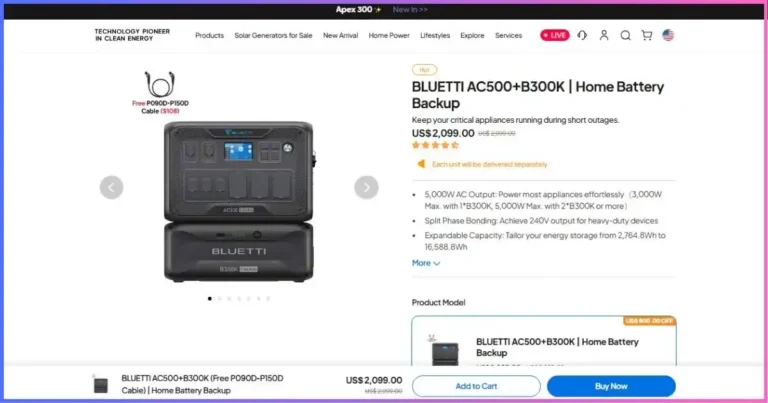
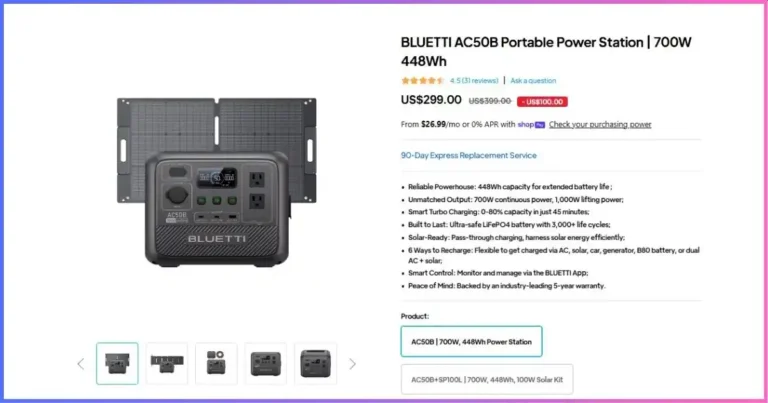
Looking for a dependable portable power station or solar generator? Bluetti offers high-quality backup power solutions for camping, RVs, off-grid living, home backup, and emergency preparedness. Their products combine long battery life, fast charging, and clean energy to keep your essential devices running wherever you are.
✓ Solar Generators
✓ Home Backup Solutions
✓ Fast Shipping & Warranty
Disclosure: This page contains affiliate links. If you purchase through our links, we may earn a commission at no additional cost to you.
How PWM Solar Charge Controllers Work
To effectively harness solar energy, a PWM solar charge controller is essential. As the central hub connecting your solar panels, battery bank, and inverter, a PWM charge controller regulates the flow of power to properly charge your batteries without overcharging.
How PWM Controllers Work
PWM stands for ‘pulse width modulation’ PWM charge controllers connect and disconnect from the battery in rapid pulses, rather than direct constant connection. This pulse charging allows the controller to hold the battery voltage steady at the optimal absorption level.
The basic steps in the PWM charging process are:
- When the battery voltage drops below the absorption voltage setpoint, the controller connects the solar panels to the battery.
- As the battery charges and its voltage rises, the controller begins pulsing, connecting, and disconnecting from the battery to maintain the absorption voltage.
- Once the battery reaches the float voltage setpoint, indicating it is fully charged, the controller reduces the pulse rate to provide a trickle charge.
- If the battery voltage falls again, the cycle repeats.
This on/off switching happens automatically and rapidly, allowing for very responsive and effective charging. PWM is a simple, efficient means to achieve multi-stage charging and prevent overcharging, making it a popular choice for most solar power installations.
With proper configuration and monitoring, a PWM solar charge controller can provide reliable, renewable energy for many years.
Our Recommendation: Bluetti Portable Power Stations
If you need reliable backup power, Bluetti is one of the brands we consistently recommend. Their portable power stations are ideal for:
- ✔ Power outages and emergency backup
- ✔ Camping and outdoor adventures
- ✔ RV and van life
- ✔ Off-grid living
- ✔ Charging laptops, phones, drones, cameras, and small appliances
We’ve found Bluetti to offer an excellent balance of battery capacity, reliability, and value compared to many competing brands.
Check Current Bluetti Offers →Affiliate Disclosure: We may earn a commission if you purchase through our links, at no extra cost to you.
Top Benefits of Using a PWM Charge Controller
A pulse width modulation (PWM) solar charge controller offers several advantages for renewable energy systems.
First, PWM controllers provide efficient charging due to their pulsing mechanism. They pulse the power going into the battery bank at a high frequency, which helps recover lost battery capacity and desulfate the cells. This results in batteries that last longer and provide more usable energy.
Second, PWM charge controllers are more affordable and compact than maximum power point tracking (MPPT) controllers. They are simple to install and operate, requiring little maintenance. For small to mid-size solar power systems, a PWM controller can provide an economical means of regulating charging without sacrificing performance.
Finally, PWM charge controllers allow for rapid recharging of battery banks. Because they pulse the power at a high frequency, more energy can be transferred to the batteries in a shorter time. This is useful for off-grid systems where consistent power is essential, especially when weather conditions limit solar harvesting.
In summary, PWM solar charge controllers offer efficient and fast charging, help maximize battery life, and provide a budget-friendly option for renewable energy systems. With many sizes and capabilities available, a PWM controller can be ideal for a wide range of solar and wind applications where cost and simplicity are factors.