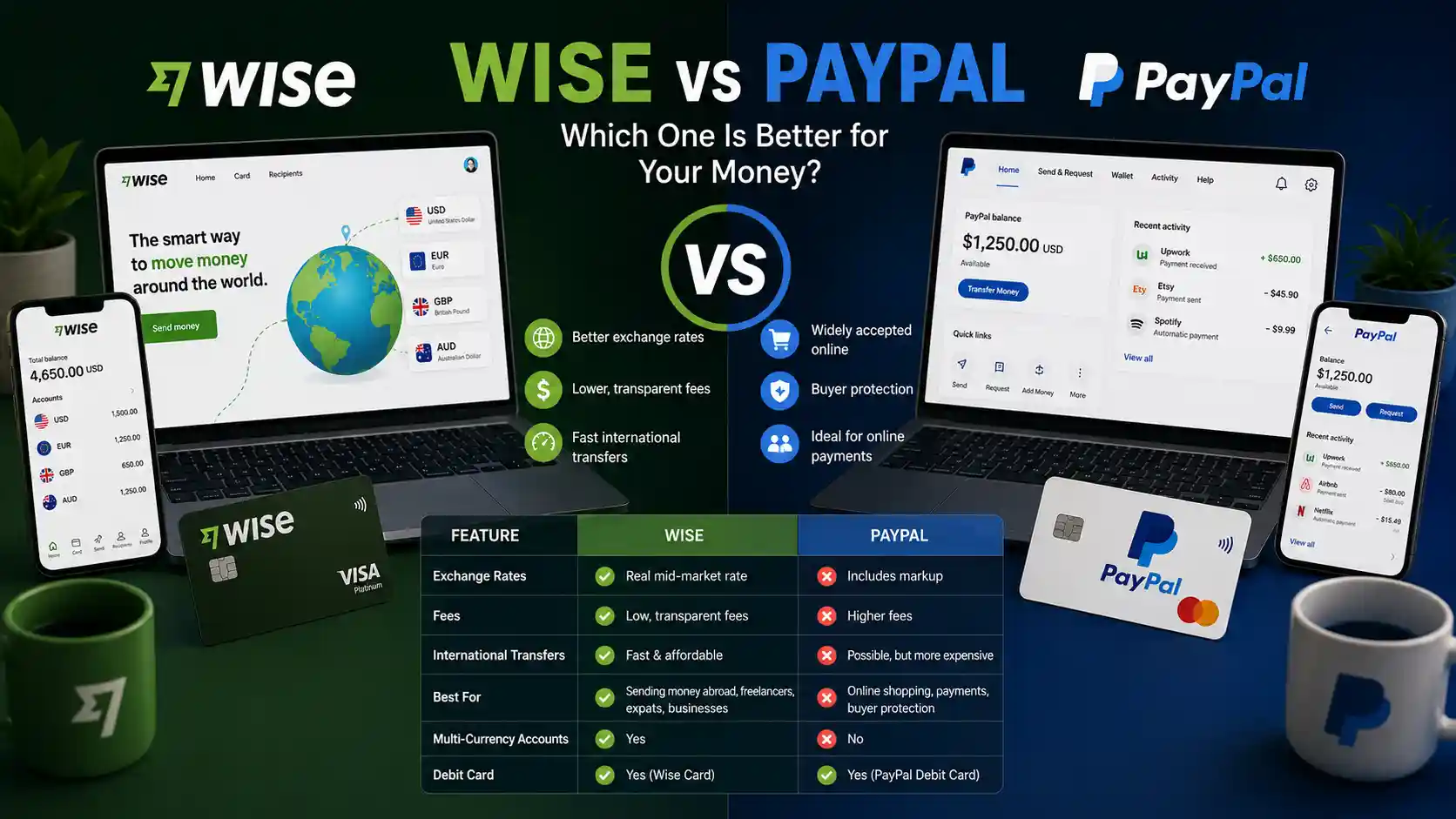
How to Create a UK Paypal Account as a Non-UK Resident
By JoshWP Team | Updated: | ~40 min read | Non-UK Residents UK PayPal Business UK LLP 1st Formations
You generally cannot open a stable personal UK PayPal account as a non-UK resident by using a VPN, a rented address, or someone else’s identity. PayPal ties personal accounts to residency and business accounts to where the company is legally established. It then verifies ownership, address, phone, bank, and identity documents. Shortcuts that misrepresent residency or invent documents violate PayPal’s User Agreement, risk permanent limitations, and can put held funds at risk.
What does work for most international freelancers, agencies, and digital sellers is a legitimate UK business-entity route:
- Form a UK Limited Liability Partnership (LLP) via a formation agent such as 1st Formations (minimum two members; no UK citizenship required).
- Open multi-currency business banking with Payoneer or Wise (and Mercury only if you also run a qualifying US entity).
- Create a UK PayPal Business account under the LLP using the registered office address, accurate partnership details, a phone number you control, and matching bank details.
- Verify identity and bank micro-deposits, then warm up the account with real, gradual activity.
UK PayPal Business supports multi-currency balances (including GBP, EUR, and USD in many setups) and is widely used by non-UK founders who invoice UK and global clients. For the entity-only deep dive, see How to Form a UK LLP as a Non-Resident. If you later need a US-registered merchant profile instead, our guides on forming an LLC for non-US residents and Northwest Registered Agent cover that separate path.
Non-negotiable: This guide is about building a real UK company, real banking, and a real UK PayPal Business profile that matches those documents. It is not about faking a UK residential address, buying a “ready-made” PayPal login, or using free public SMS inboxes for long-term verification. Anything that looks like fraud or identity misrepresentation can jeopardize both the payment account and the underlying LLP.
Table of Contents
- Why non-UK residents struggle with UK PayPal
- What you actually need (and what you do not)
- Why a UK LLP (not a personal account or Ltd by default)
- Full setup roadmap
- Requirements checklist
- Step 1: Create a UK LLP with 1st Formations
- 1st Formations formation screenshots
- Step 2: Business banking — Payoneer, Wise, or Mercury
- Step 3: Phone number options (pros & cons)
- Step 4: VPN use — optional consistency, not a loophole
- Step 5: UK PayPal Business account setup (full walkthrough)
- PayPal Business screenshots (steps 1–16)
- Step 6: Link and verify your bank account
- Step 7: Warm up the account safely
- Related path: US PayPal via US LLC (optional)
- Cost breakdown and charts
- Tax, compliance, and legal boundaries
- Common mistakes that get accounts limited
- Final checklist
- FAQs
- Sources
PayPal active-account and TPV figures are drawn from PayPal’s public investor reporting for 2024; always verify the latest earnings release on investor.pypl.com.
Why Non-UK Residents Struggle With UK PayPal
PayPal is one of the most widely accepted payment brands in the world. That reach is exactly why so many freelancers, SaaS founders, YouTubers, dropshippers, and agency owners outside the United Kingdom want a UK PayPal account — especially if they invoice in GBP, sell to British customers, or want a recognised English-law business profile with multi-currency support.
In practice, people usually want one or more of the following:
- Ability to invoice UK and international clients in GBP (and often USD/EUR)
- Fewer local banking friction points when receiving cross-border payments
- Access to tools, platforms, or payout rails that prefer a business PayPal profile
- A professional checkout option that customers already trust
The problem is that PayPal does not treat “I want a UK account” as a location preference you can toggle with a VPN. Country selection is tied to where you or your business are legally based. Personal UK accounts generally require you to be a UK resident or citizen in a way PayPal can support long term. Business UK accounts require a business that is legally established in the UK, plus matching identity, address, phone, and bank information.
What usually fails: Creating a personal UK account with a VPN only; using a friend’s UK address; buying a “verified PayPal” from a marketplace; recycling public temporary SMS numbers; or submitting documents that do not match the entity on the application. These approaches often work for a short window and then fail during bank linking, identity checks, or risk review — which is when funds get held.
That is why the durable approach is not “look British online.” It is “own a real UK business entity, bank it properly, and open a UK PayPal Business account that matches the paperwork.” For most non-UK residents in this guide, that means a UK LLP formed through a reputable agent, paired with Payoneer or Wise, then a full UK PayPal Business setup.
What You Actually Need (and What You Do Not)
You need
- A real UK business entity (this guide uses a UK LLP)
- Official formation documents and registration numbers
- A registered business address that matches your entity
- Business banking or a receiving account in the entity’s name
- Identity documents for beneficial owners (usually a passport)
- A phone number you control for SMS verification
- Consistent business details across every platform
You do not need
- UK citizenship
- To live in the UK permanently
- A high-street bank branch visit in most fintech cases
- A VPN as a legal requirement (it is optional for consistency — see below)
- A temporary number service if you prefer a registered-agent phone add-on or another number you control
- Fake documents, borrowed identities, or “account sellers”
Plain English: PayPal is underwriting a business relationship. If the UK company is real, the bank is real, the owners are real, and the story is consistent, you have a legitimate shot at a long-term UK PayPal Business account. If the only “UK” thing about the setup is a VPN exit node, the account is fragile by design.
Why a UK LLP (Not a Personal Account or Ltd by Default)
If you are not a UK resident, a personal UK PayPal account is not a stable long-term product. PayPal’s verification systems are built to catch mismatched residency signals. The workable path is a UK PayPal Business account backed by a real UK entity.
For international founders, two UK vehicles come up most often: a private limited company (Ltd) and a limited liability partnership (LLP). This guide focuses on the LLP because it is commonly preferred for multi-partner international setups that want a recognised UK entity with tax-transparent treatment at the partnership level (members still handle tax where they are liable — it is not “tax free”).
| Factor | Personal UK PayPal | UK LLP → Business PayPal | UK Ltd → Business PayPal |
|---|---|---|---|
| Non-resident friendly? | Generally no for stable long-term use | Yes, with real formation + banking | Yes, with real formation + banking |
| Minimum owners | N/A (individual) | 2 members | 1 shareholder possible |
| UK entity-level corporation tax | N/A | Generally tax transparent; members taxed individually | Corporation Tax on company profits |
| Typical formation partner | N/A | 1st Formations | Formation agents also offer Ltd packages |
| Best for | Actual UK residents | Two+ partners, consultancies, joint ventures, many international freelancers | Single-owner companies, equity raises, investor familiarity |
| PayPal product | Personal | Business (partnership-compatible) | Business (company) |
For the full LLP formation deep dive, see How to Form a UK LLP as a Non-Resident. If you are comparing broader non-resident company options (including US structures for other products), see forming an LLC for non-US residents, best LLC formation services, anonymous LLC guide, and LLC for YouTube & AdSense.
Pick the entity before you touch PayPal
Do not start a PayPal application first and reverse-engineer a company later. Formation documents, address, bank name, and beneficial owners must already exist so every field on PayPal matches a real record.
Full Setup Roadmap (UK Business Route)
The rest of this article follows the UK LLP → banking → UK PayPal Business path in order. Keep every detail consistent from Companies House through to PayPal.
Form a UK LLP
Use a formation agent such as 1st Formations. Get certificate of incorporation, registration number, and registered office address.
Open business banking
Payoneer or Wise for most non-residents; Mercury when you also have a US entity and qualify.
Secure a phone number
Choose your own number, a registered-agent/phone add-on, or a dedicated rented number you maintain long term.
Decide on VPN use
Optional. Used only for consistent access patterns — never as a substitute for a real company.
Create PayPal Business
Sign up as a partnership under the UK LLP, using the registered address and accurate business details.
Verify identity & bank
Upload passport, complete any document requests, link bank details, and confirm micro-deposits.
Warm up gradually
Start with small, legitimate transactions. Build history before large volumes.
Stay compliant
File LLP confirmations/accounts as required and report taxes where you are tax resident.
Requirements Checklist
| Item | Why you need it | Notes for non-residents |
|---|---|---|
| Two LLP members | UK LLP legal minimum | Can be two individuals, or you + your existing overseas company |
| Passport (colour scan) | KYC for formation agent and PayPal | Most universally accepted ID type across borders |
| Proof of residential address | AML checks for banking/formation | Recent utility bill or bank statement in your name |
| Business activity description | SIC codes, PayPal category, bank underwriting | Be honest — high-risk categories face extra review |
| Email you control long term | Account recovery and verification | Prefer a custom domain email once the business is live |
| Phone number strategy | SMS codes during signup and recovery | See phone options section — do not rely on disposable public inboxes |
| Payment card | Pay formation package and optional services | Use a card you can explain if banks ask source-of-funds questions later |
Create a UK LLP with 1st Formations
A UK Limited Liability Partnership is a separate legal entity registered at Companies House. It needs at least two members. Those members can be foreign individuals, foreign companies, or a mix. There is no UK residency or citizenship requirement for members.
For most non-residents, an LLP is attractive because it is generally tax transparent in the UK: the partnership itself is not charged UK Corporation Tax the way a private limited company is. Profits are attributed to members, who then handle tax according to their own residence and the source of the income. That does not mean “tax free.” It means the tax analysis moves to the member level — usually your home country. Get local tax advice before you rely on any structure for tax planning.
Compared with a UK private limited company (Ltd), an LLP often means simpler entity-level UK corporation tax treatment and a partnership-style ownership model. Compared with trying to open a personal UK PayPal account as a non-resident, the LLP gives PayPal a real UK business it can underwrite. For a deeper entity-only walkthrough, use our full guide: How to Form a UK LLP as a Non-Resident.
Why use a formation agent?
You can file with Companies House directly, but non-residents almost always use an agent because you still need:
- A physical UK registered office address (not a foreign home address)
- Often a service address so personal residential details are handled carefully on the public record
- Help with identity verification under the UK’s Economic Crime and Corporate Transparency Act reforms
- Packaged documents you can upload later to banks and PayPal
1st Formations is one of the established UK formation agents with a dedicated LLP package. They incorporate the partnership, can provide the UK address services, and deliver the statutory documents you will reuse for banking and PayPal.
Pricing changes: Package prices, optional address fees, and Companies House filing fees change over time. Treat any third-party price mentions as directional and confirm live checkout totals before you pay.
Ready to form the entity?
Get the LLP and registered address in place first. Banking and PayPal become much simpler once the certificate of incorporation exists.
1st Formations Formation Screenshots
The following flow mirrors a typical non-resident LLP order. Screens evolve, so use this as a practical map rather than a pixel-perfect promise.
Step 1 — Choose your company name
Enter the proposed LLP name and run an availability check against the Companies House register. The name must be unique and end in “LLP” or “Limited Liability Partnership.”
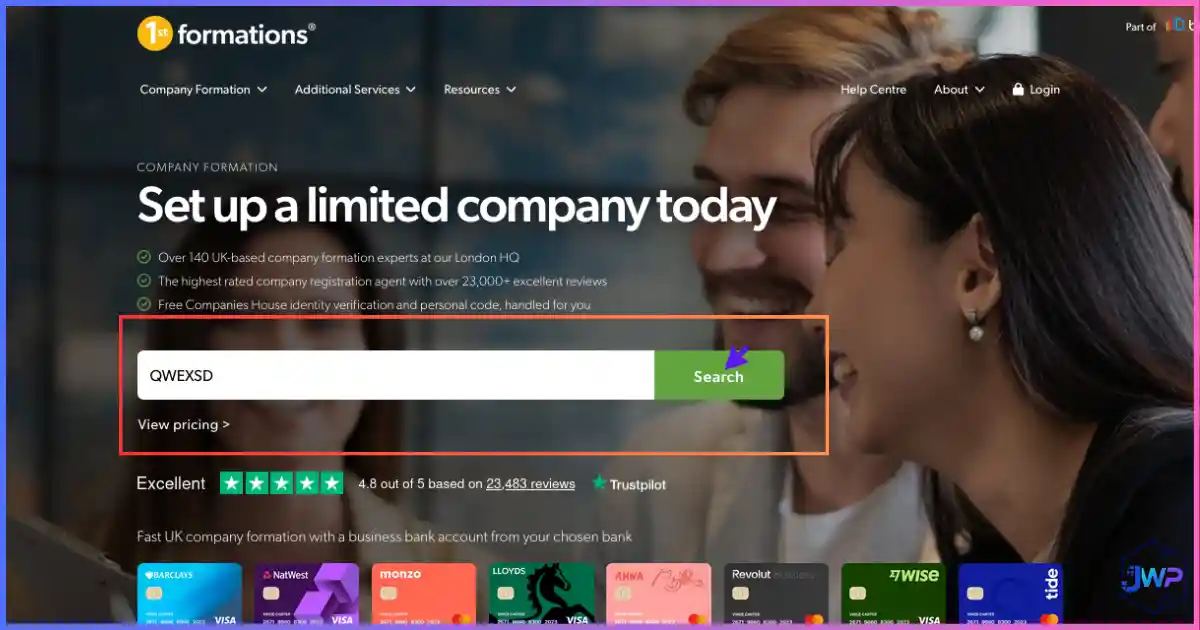
Step 2 — Confirm the name is available
When the name clears availability, continue to package selection. If it is taken, adjust the name before you pay for anything.

Step 3 — Choose an LLP package
Select the dedicated LLP package. Do not accidentally buy a standard private limited company package if your plan is a partnership structure for PayPal.
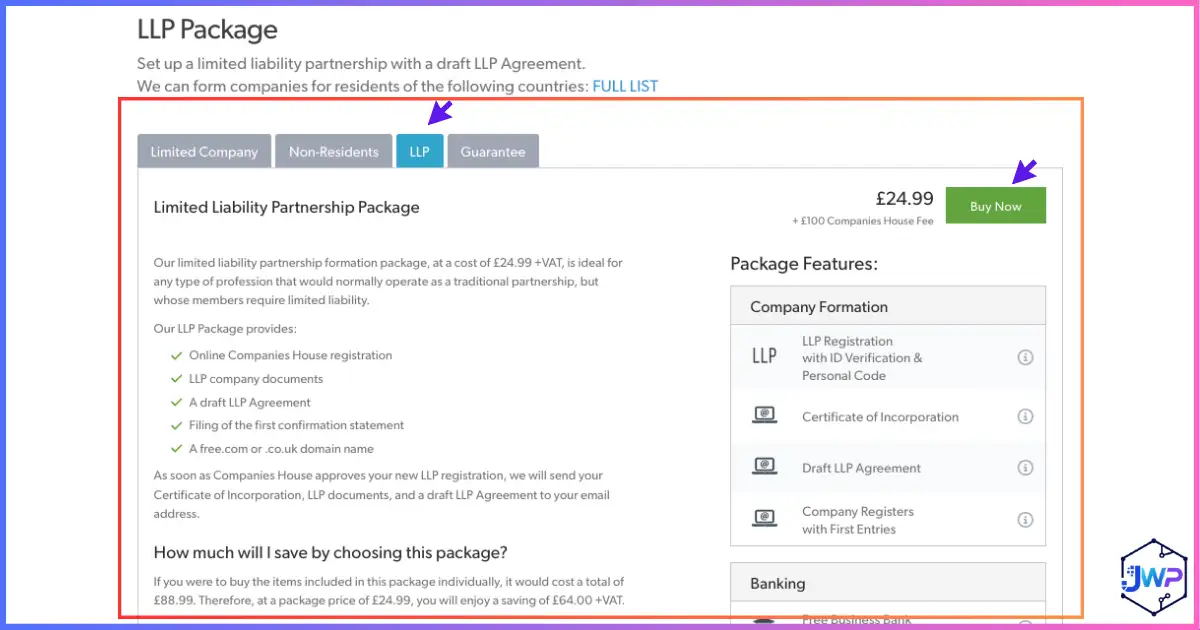
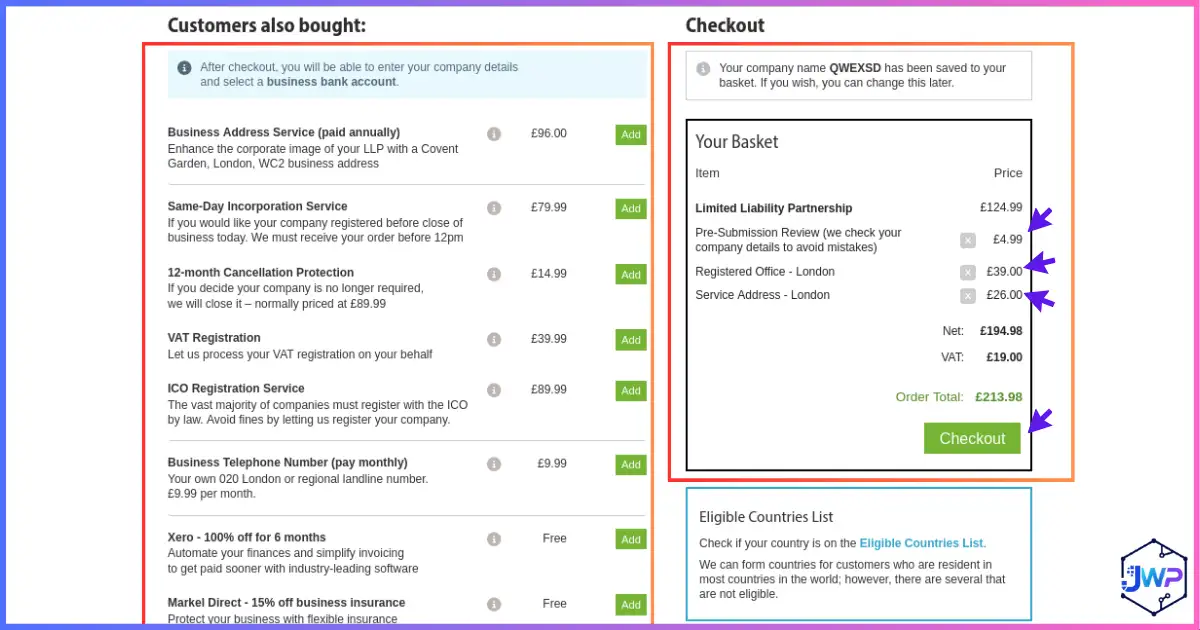
Step 4 — Checkout and address add-ons
At checkout, non-residents typically add a registered office address and related services so Companies House mail has a UK destination and your application stays compliant.
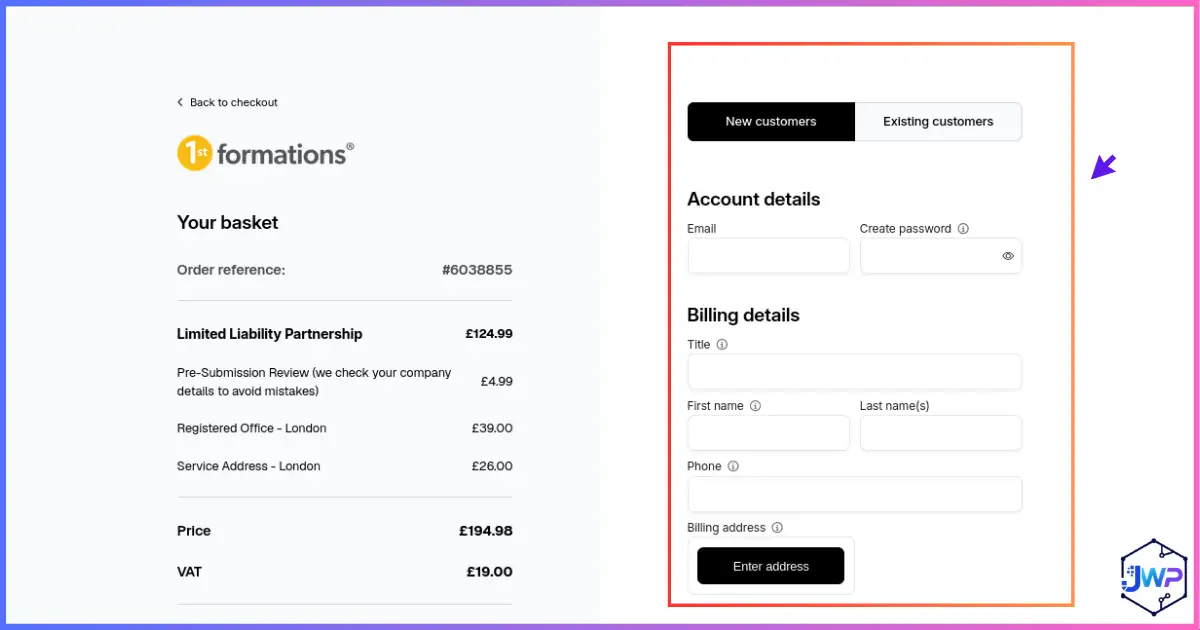
Step 5 — Complete payment
Enter card details to finish the purchase. After payment, the agent collects member information, runs compliance checks, and files with Companies House.
After incorporation: documents to save
- Certificate of Incorporation / registration confirmation
- LLP registration number
- Registered office address exactly as it will appear on banks and PayPal
- Member / PSC details consistent with your passport names
- Any draft LLP agreement your agent provides (keep internally even if not filed publicly)
These files become your “source of truth.” Every later application — Payoneer, Wise, PayPal — should spell the legal name and address the same way.
Business Banking: Payoneer, Wise, or Mercury
Traditional UK high-street banks (HSBC, Barclays, and similar) are often impractical for non-residents. They may want in-person onboarding, UK tax residency signals, or a level of local substance that remote founders do not have on day one.
That is why most international setups use regulated fintech or electronic money institutions that onboard online. For this PayPal workflow, the three names that come up most often are Payoneer, Wise, and Mercury.
Payoneer
Payoneer is widely used by freelancers and cross-border businesses to receive payments from marketplaces, clients, and platforms. Depending on your approval and location, Payoneer can provide local receiving account details in multiple currencies. For a UK PayPal link, what matters is having account details you can enter manually (sort code and account number for GBP where issued, or the details PayPal requests for your corridor).
Full walkthrough: How to Open a Payoneer Account.
Payoneer pros
- Built for international freelancers and sellers
- Multi-currency receiving options after approval
- Commonly accepted by global marketplaces
- Online onboarding with business documents
Payoneer cons
- Fees vary by corridor and withdrawal method
- Not a full traditional bank experience
- Approval and available local accounts depend on profile
- Extra review is common for new entities
Wise Business
Wise Business is popular for transparent currency conversion and multi-currency account details. Many non-resident companies use Wise to hold balances, pay suppliers, and generate statements that later support proof-of-address or banking history narratives.
Full walkthrough: How to Open a Wise Account.
Wise pros
- Clear mid-market rate positioning and fee display
- Multi-currency balances in one business profile
- Statements useful for ongoing compliance paperwork
- Strong fit for invoicing and supplier payments
Wise cons
- Product availability depends on entity and country combination
- Some features differ from a full bank (lending, cash deposits, etc.)
- Onboarding can request additional business evidence
- PayPal may require manual bank linking rather than open-banking instant link
Mercury
Mercury is a US business banking fintech that many startups use. It is most relevant when you have a US-registered company (typically a US LLC with an EIN) and meet Mercury’s eligibility rules. It is not the default bank for a pure UK LLP with no US entity.
For this UK PayPal guide, if your entity is only a UK LLP, prioritise Payoneer or Wise first. Mercury is an optional mention for founders who also maintain a US company for other products — not a requirement for UK PayPal Business.
Mercury pros
- Modern US business account UX
- Useful routing/account numbers for US PayPal linking when approved
- Online application for eligible US entities
- Good operational fit for startups and agencies
Mercury cons
- Built around US entities — not a UK LLP substitute
- Eligibility and partner-bank rules can change
- International founders may face extra KYC
- Approval is never guaranteed
| Your situation | Primary banking choice | PayPal target |
|---|---|---|
| UK LLP (this guide) | Payoneer and/or Wise | UK PayPal Business |
| Need GBP local details | Provider that issues UK sort code/account after approval | Manual bank link on UK PayPal |
| Also run a US LLC (advanced) | Keep banking separate per entity; Mercury only if US-eligible | Do not mix UK and US profiles carelessly |
Open banking while formation documents are fresh
Apply with the same legal name and registered address that appear on your incorporation documents. Inconsistencies are the fastest way to stall both banking and PayPal.
Phone Number Options — Pros, Cons, and How to Choose
PayPal will ask for a phone number during business signup and may re-use it for security challenges later. You do not have to use a temporary number service. You have three practical options. Choose the one you can maintain for years, not the one that only works for a single OTP.
Option A — Use your own personal number
Many people successfully verify with their real mobile number in their home country. PayPal often allows you to switch the country code away from the default.
Pros
- No extra monthly cost
- You already control the SIM and recovery path
- Simple for sole operators who answer their own phone
- Fewer moving parts
Cons
- Mixes personal and business contact surfaces
- If you change SIMs or lose the number, recovery gets harder
- Some operators prefer a number that matches the business country profile
- Not ideal if you want stricter operational separation
Option B — Registered agent / formation add-on phone or virtual office telephony
Some formation and virtual-office providers offer phone-related add-ons, call forwarding, or business contact handling bundled with address services. Availability and quality vary by provider and package.
Pros
- Keeps business contact details closer to the entity package
- Can reduce reliance on a personal mobile for every OTP
- Useful if you already pay for premium registered-office services
- May look more “business-native” operationally
Cons
- Not every agent offers a number that reliably receives PayPal SMS
- Extra annual cost on top of formation
- You must confirm SMS delivery before relying on it for PayPal
- Support hours and forwarding delays can slow verifications
Option C — Dedicated rented number via a temporary/rental SMS service
Services such as the one available through Receive SMS let you rent a dedicated number (for example a UK +44 number) that can receive verification texts. This is optional. If you use it, treat the number as infrastructure you maintain — not a one-time disposable inbox.
Critical: If you rent a number for PayPal, budget for an ongoing subscription so you keep control of that number. Letting a PayPal-linked number expire is a common way people lock themselves out during later security checks. Public shared/temporary inboxes that recycle numbers are a poor fit for financial accounts.
Pros
- Gives you a dedicated number aligned with the business country profile when needed
- Helps separate personal and business authentication
- Works when your personal carrier blocks overseas SMS or you need a second line
- Useful as a controlled business line if maintained yearly
Cons
- Recurring cost (plan for yearly maintenance, not a one-week rental mindset)
- Another vendor relationship to monitor
- Not all virtual numbers are accepted by every financial platform
- If you cancel the subscription, account recovery can become painful
Practical recommendation: Start with the number you can guarantee long-term access to. For many founders that is their personal mobile. If you want separation or a UK/US-format number, use a dedicated rental you keep active, or a provider add-on you have tested for SMS delivery. Read our independent overview here: Receive SMS review. If you use the service via our link, discount code JOSHWP may apply at checkout.
VPN Use — Optional Consistency, Not a Loophole
A VPN is not mandatory to operate a legitimate UK company or a legitimate UK PayPal Business account. Your LLP is real because Companies House registered it — not because your IP address says London.
Where a reputable VPN sometimes helps is operational consistency: if you formed and primarily manage a UK business profile, repeatedly logging in from wildly different high-risk network patterns can create noisy security signals. Some founders therefore access PayPal and related dashboards through a stable, high-quality UK VPN endpoint that matches the business country profile they already disclosed.
What a VPN is not for: Pretending to be a UK resident when you have no right to a personal UK account, inventing a personal account with no entity, or hiding fraud. Using network tools to misrepresent identity or residency for an account you are not entitled to hold can violate platform rules and, in serious cases, cross legal lines. The goal of this guide is the opposite: protect the LLP and the UK PayPal account by keeping everything lawful and consistent.
Pros of using a quality VPN
- More consistent login geography for a foreign-managed business account
- Reduced exposure on public Wi-Fi while handling financial dashboards
- Easier to land on the correct regional PayPal site during setup
- Professional tools (such as NordVPN) are generally more reliable than free VPNs
Cons / reasons you may skip it
- Extra cost and another app to maintain
- Free or low-quality VPNs are often detected and can cause more friction
- A VPN does not replace KYC, documents, or a real bank account
- If your real-world travel is honest and documents are solid, many people operate without one
Balanced take: If you are comfortable managing the account from your real location with truthful UK business data, you can skip the VPN. If you want steadier access patterns for a UK business profile you already own, a paid VPN can be a hygiene tool — not a magic key. Never use it to run activity that would be illegal or that would jeopardize the underlying LLP.
UK PayPal Business Account Setup — Full Walkthrough
With the LLP incorporated and banking in motion, you can create the PayPal Business account. You are applying as a UK business because the legal entity is UK-registered. Fill every field to match your formation documents. Do not invent a trading name, address, or ownership story that conflicts with Companies House.
Before you click Sign Up: Have your LLP legal name, registration number, registered office address, owner passport details, phone number decision, and bank details (or at least know which bank you will link) ready in one place.
High-level flow
- Open the UK PayPal Business signup flow
- Create the login (name, email, password) and confirm email
- Answer product, sales channel, and payment-method questions honestly
- Select company/partnership structure appropriate for an LLP
- Enter phone + registered agent/office address
- Enter business info (legal name, registration details, category)
- Upload identity / business verification documents
- Link a bank account and confirm micro-deposits
- Respond to any additional information requests promptly
PayPal Business Screenshots (Steps 1–16)
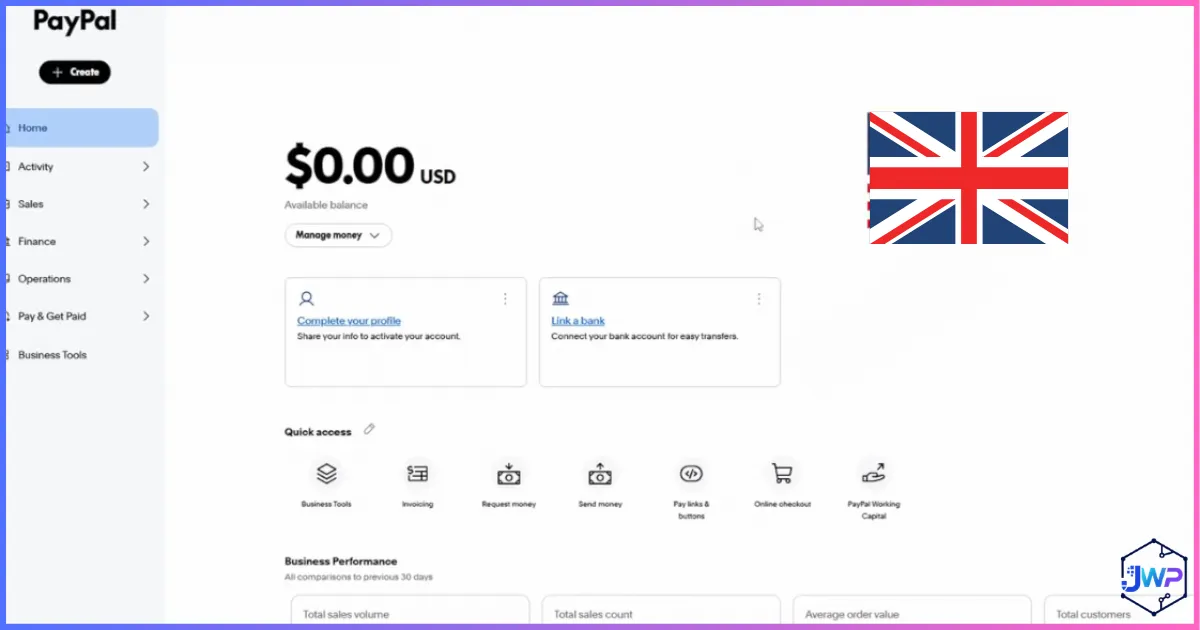
Example UK PayPal Business dashboard once the account exists — balances, tasks, and business name should reflect your LLP.
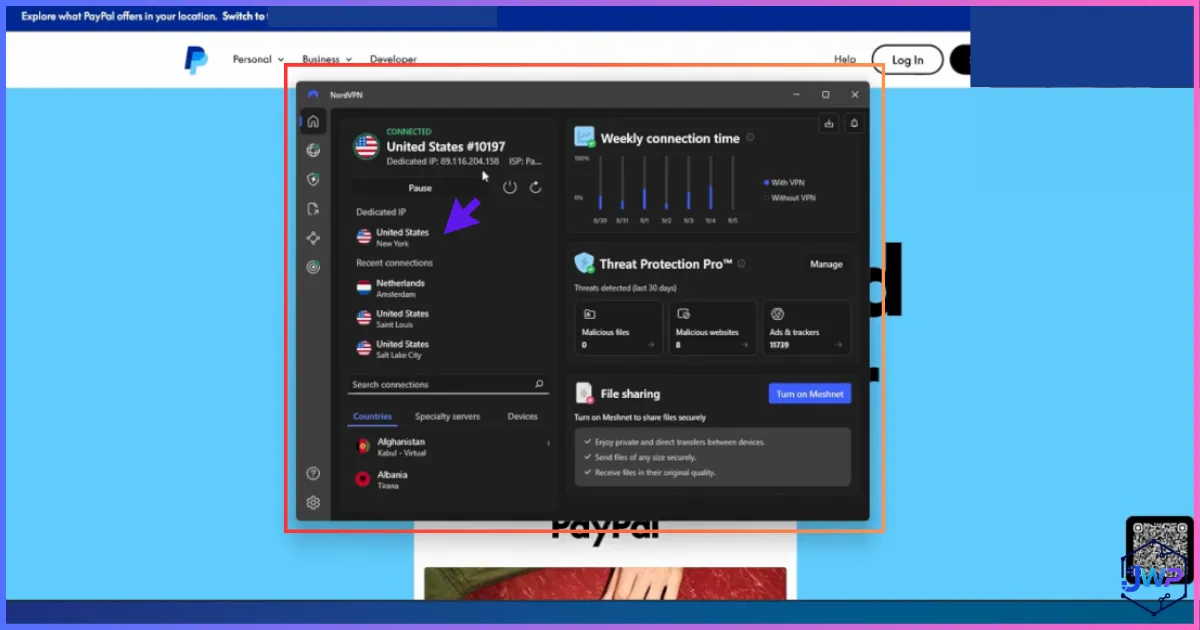
Optional: some founders use a UK VPN endpoint for consistent access to the UK site. This is not a substitute for a real UK entity.
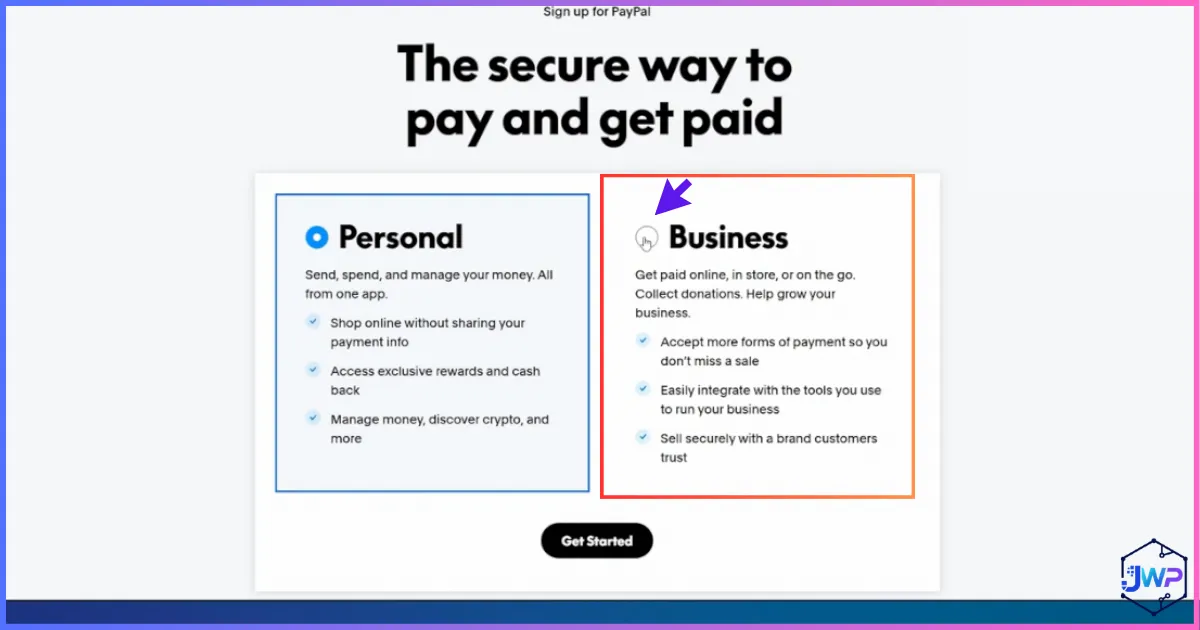
Step 1 — Start PayPal Business signup
Choose Business (not Personal). Personal accounts are the wrong product for an LLP and are the path most non-residents fail on when they try to force a foreign personal profile.
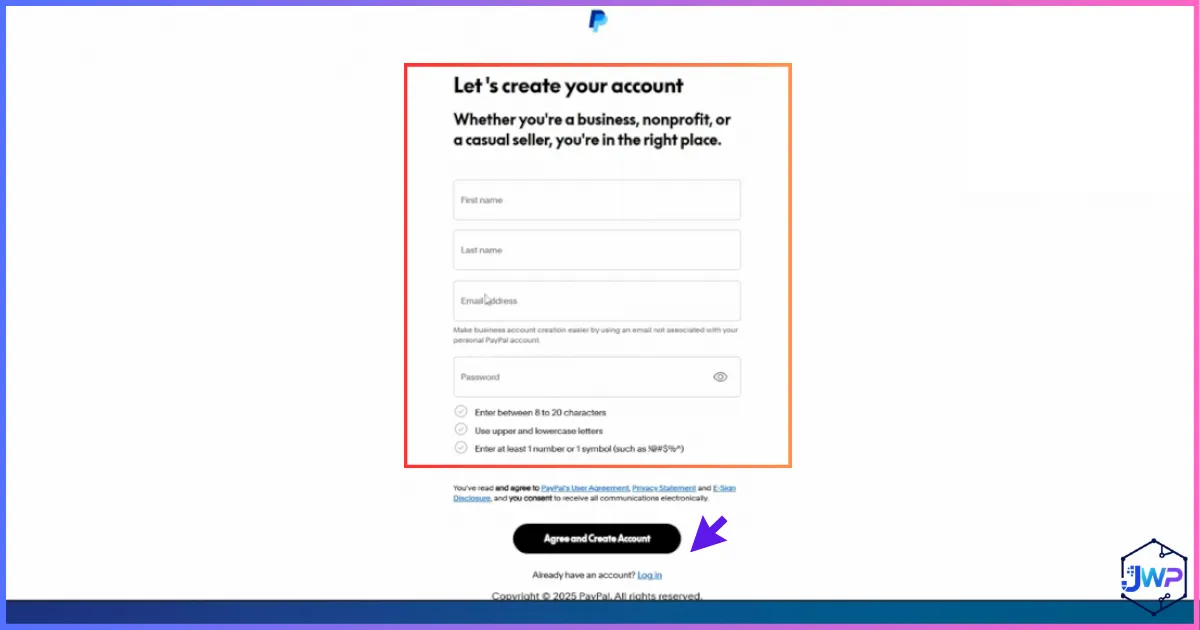
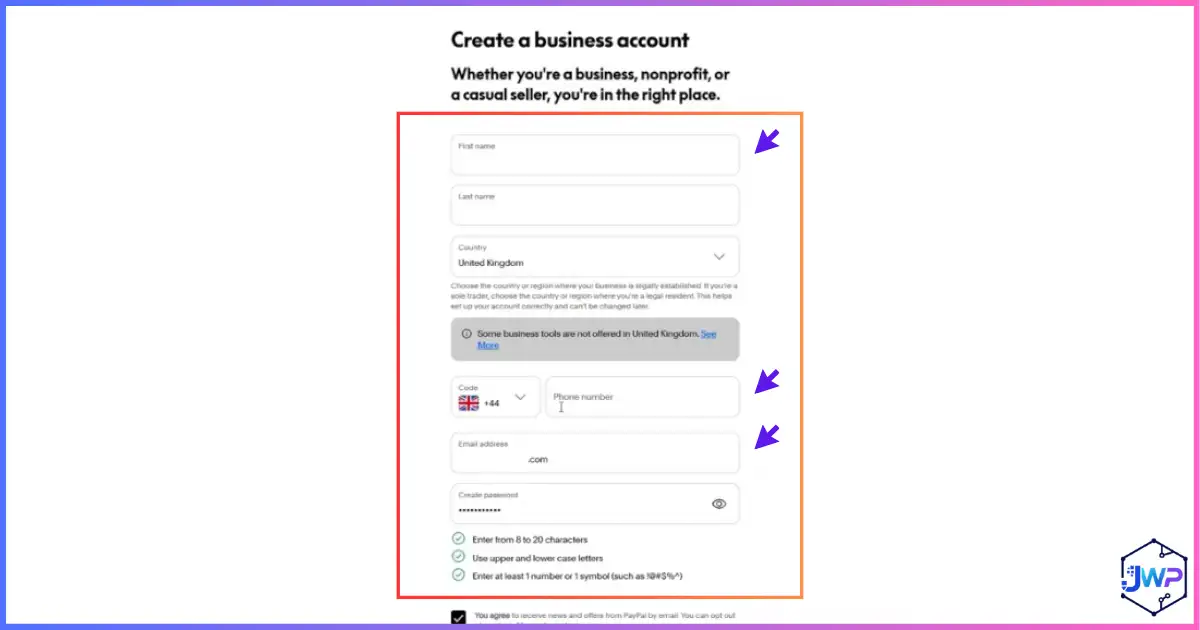
Step 2 — Enter account details
Create the login with your real first and last name, a long-term email address, and a strong password. Use the same personal name that appears on your passport for owner fields later.
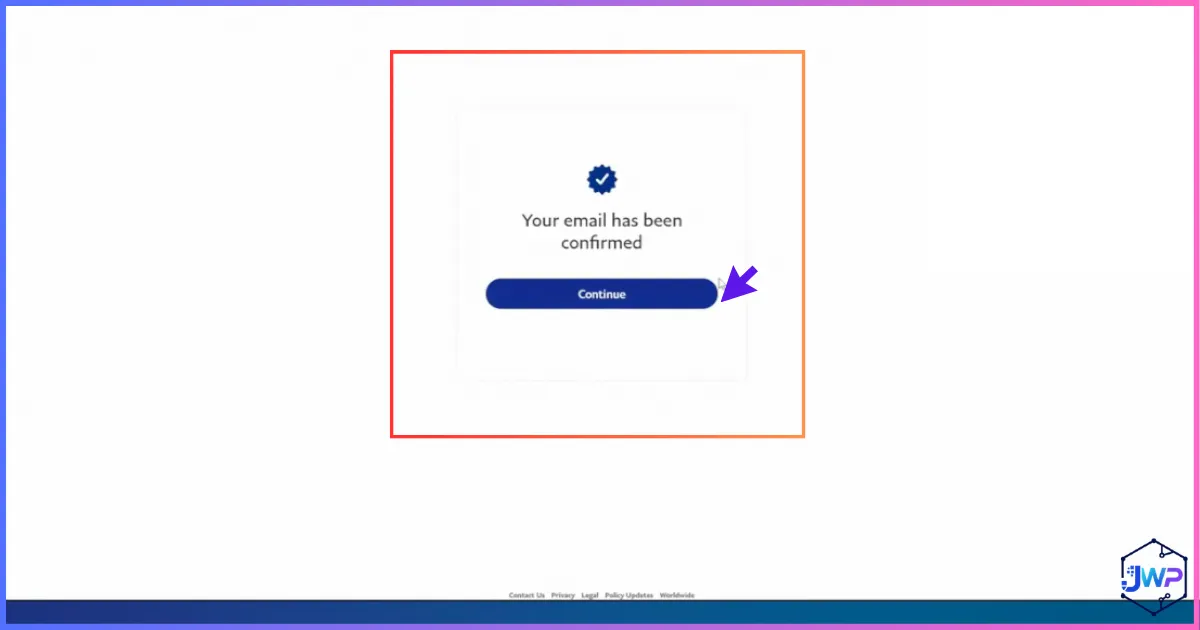
Step 3 — Confirm the verification email
Open your inbox immediately and confirm the email. Completing this early prevents half-finished applications and recovery issues.
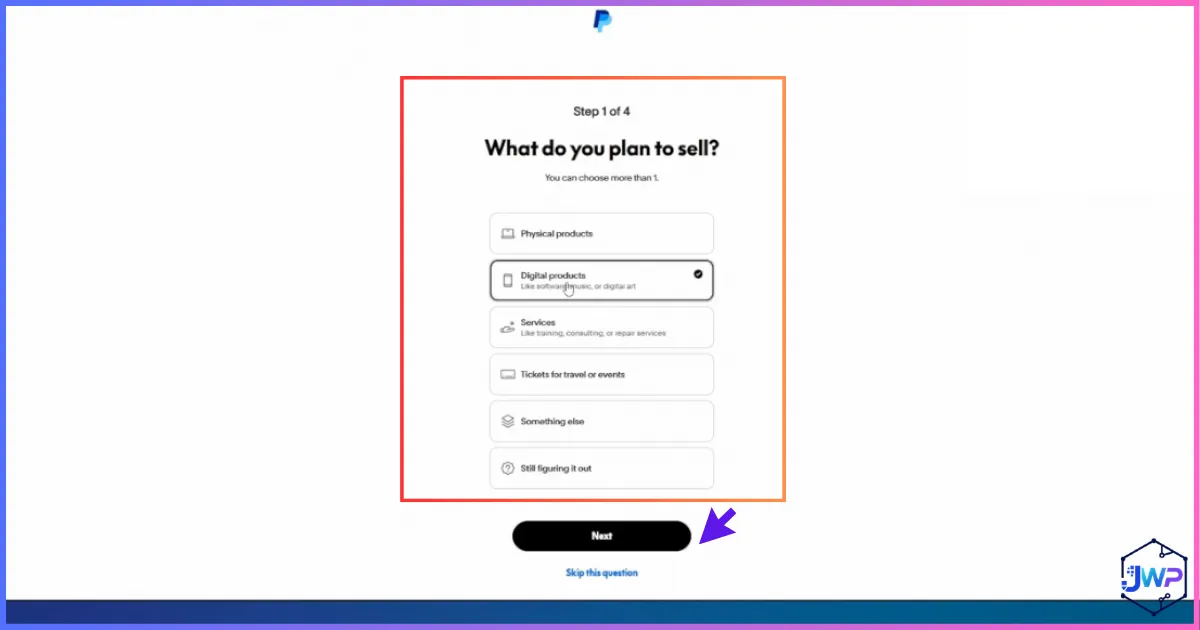
Step 4 — Choose what you plan to sell
Pick the closest honest category (services, digital goods, education, physical products, and so on). Misleading categories can cause underwriting problems later.
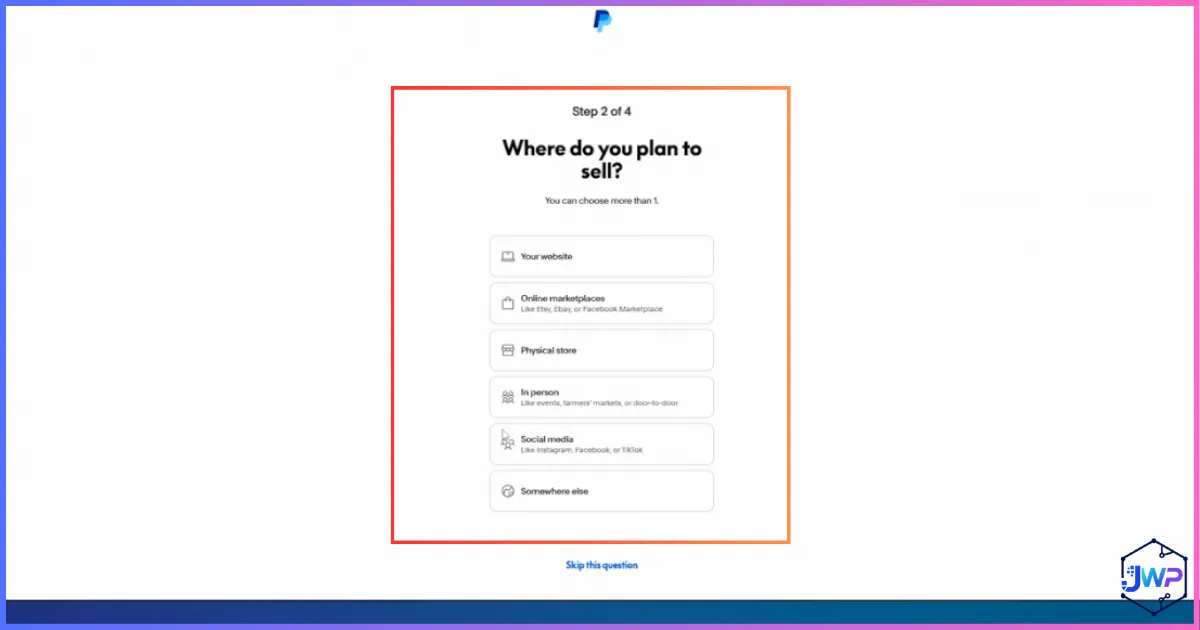
Step 5 — Choose where you plan to sell
Indicate sales channels (website, social, invoicing, marketplaces). Accuracy matters more than sounding impressive.
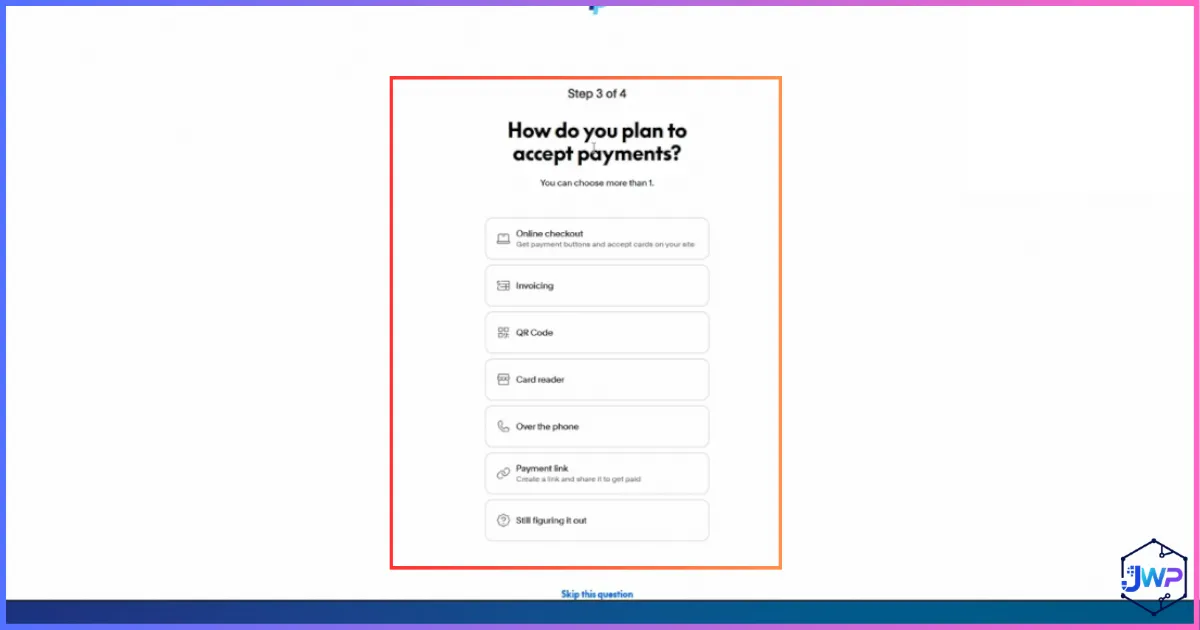
Step 6 — Choose how you accept payments
Payment links, online checkout, invoices — select the tools you actually plan to use. You can usually refine tools later.
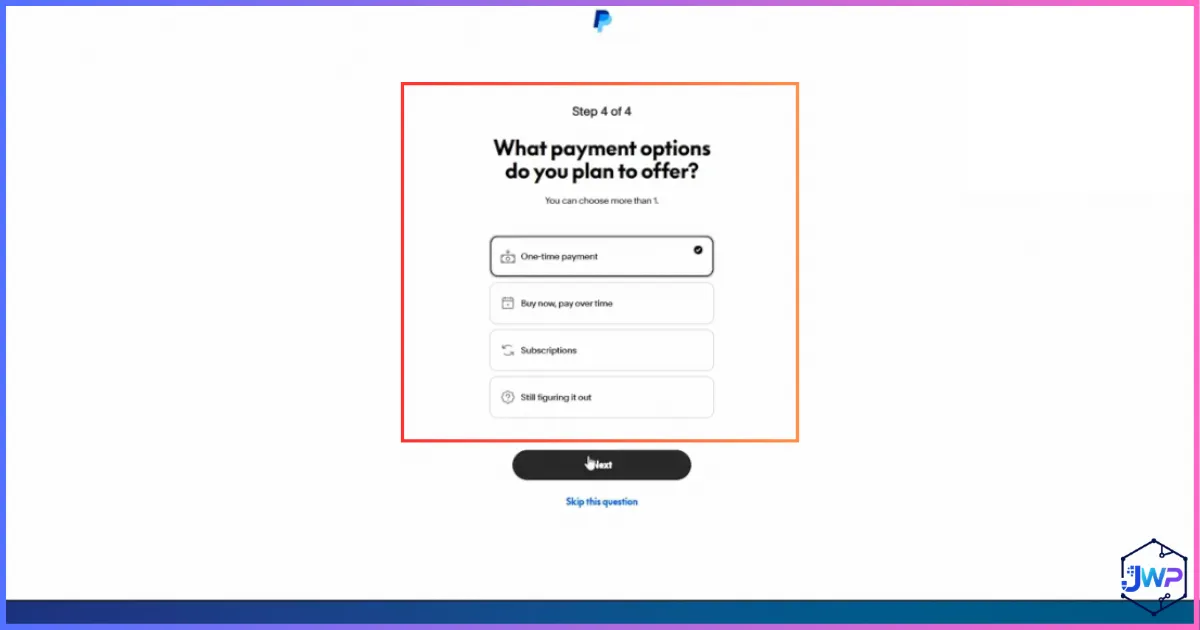
Step 7 — Choose payment options you plan to offer
One-time payments are the default for most freelancers and agencies. Add subscriptions only if that is truly part of the model.
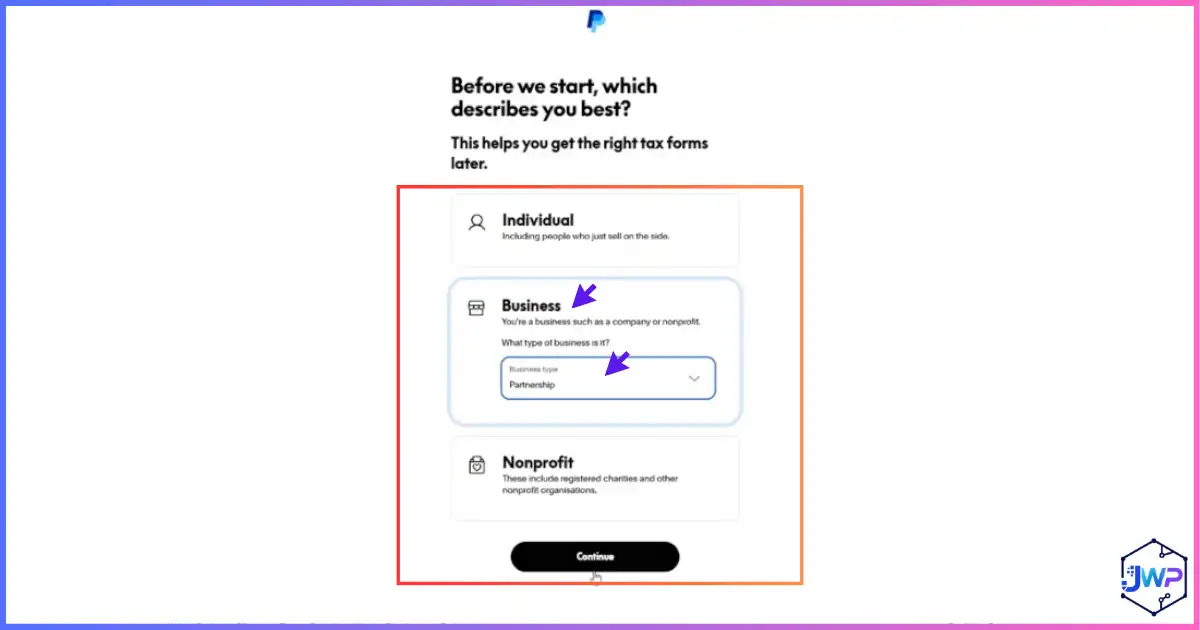
Step 8 — Business type for tax purposes
For a UK LLP, choose the company/partnership path that matches a partnership structure (not sole proprietor). Selecting the wrong entity type creates document mismatches during verification.
Step 9 — Phone number and home/business address
Enter the phone number you decided on in the phone section. For address fields tied to the business, use the registered office / registered agent address from formation — not a random virtual mailbox you found online and not a fabricated US residential address.
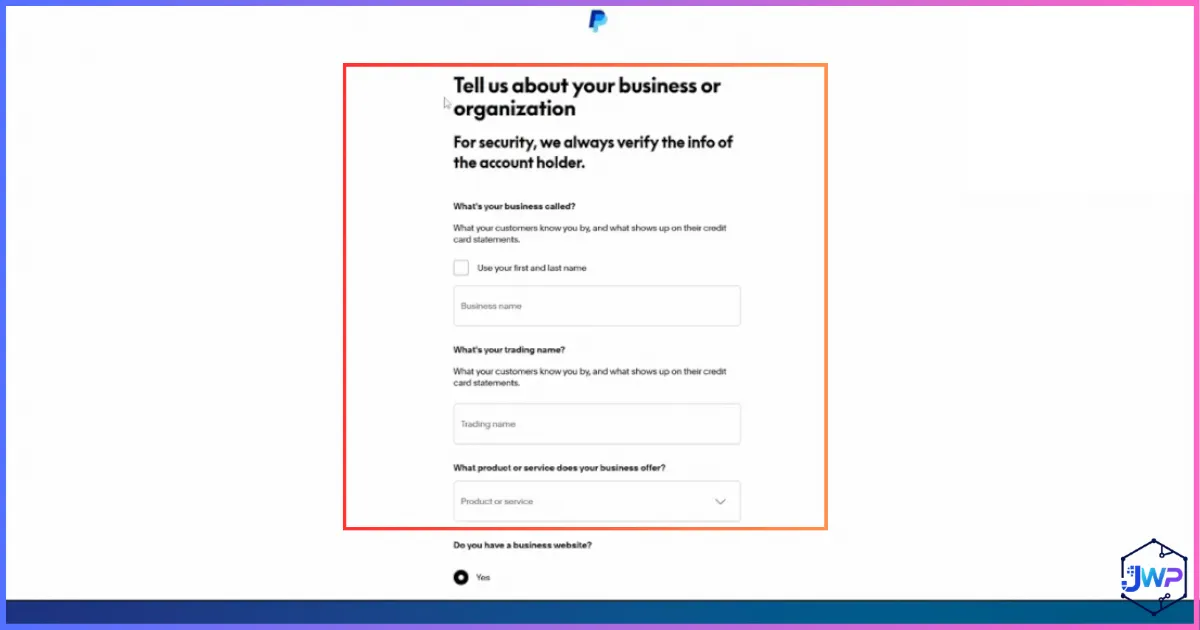
Step 10 — Enter business information
Legal business name must match the LLP name on the certificate. Add trading name only if you actually use one. Include registration number and category details consistently.
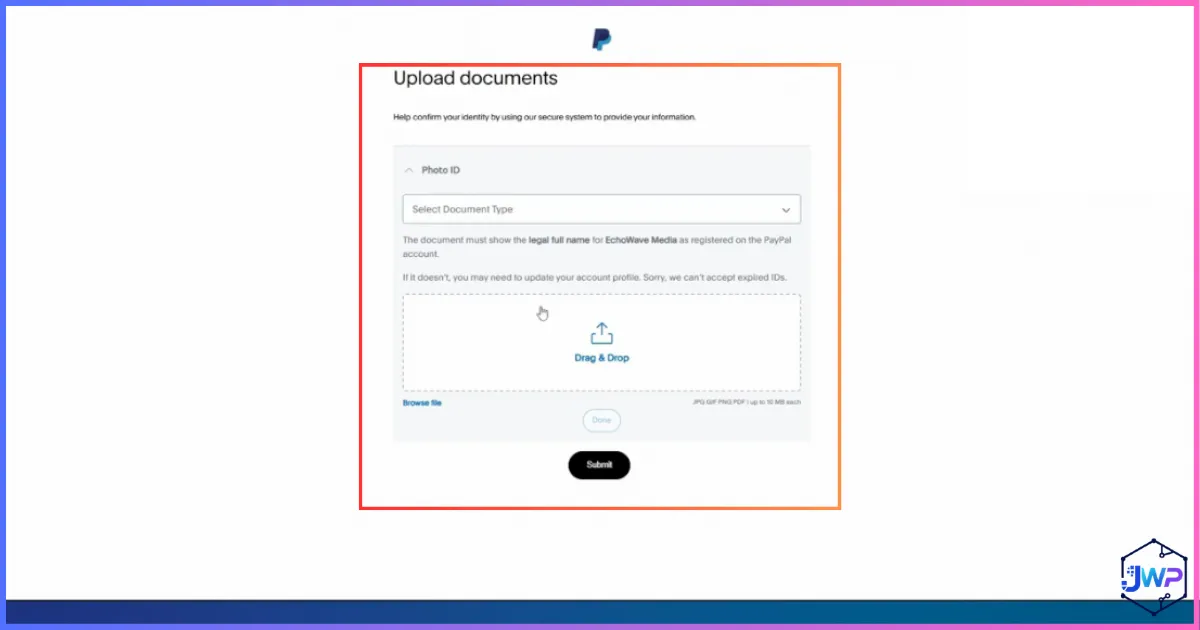
Step 11 — Upload documents for verification
Passport is usually the cleanest owner ID for non-residents. If PayPal requests company documents, upload the incorporation certificate and any requested proof of address/bank letter that shows the LLP name.
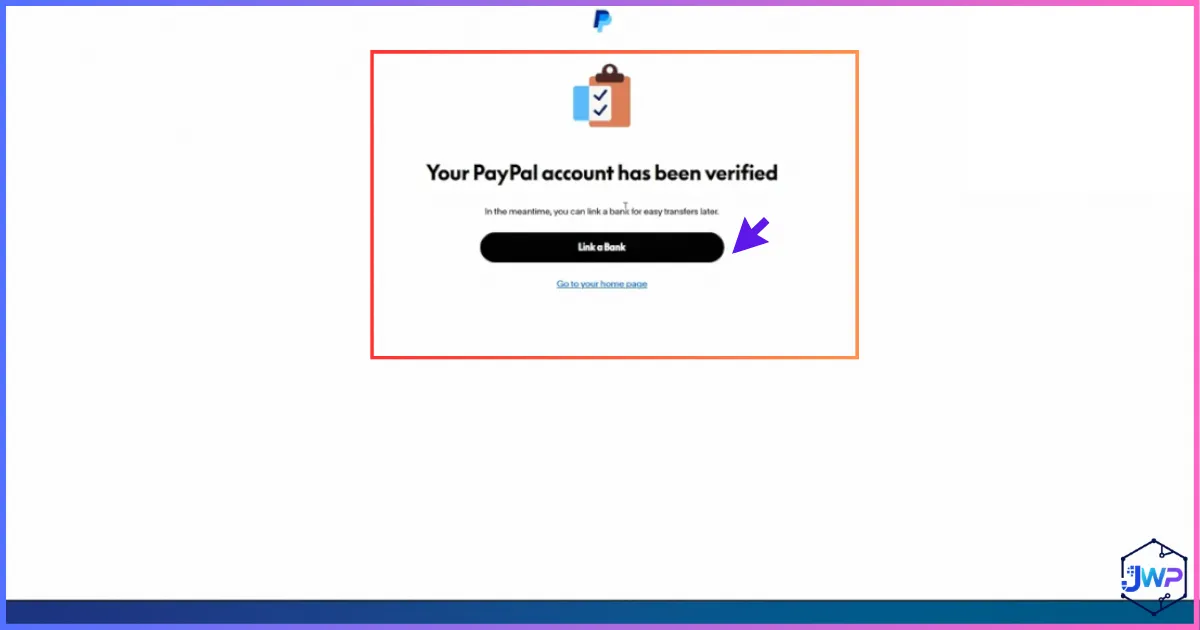
Step 12 — Account verified notification
When verification clears, you should see a confirmation state on the account. Verification does not mean you should immediately process very large volume — warm up first.
Step 13 — Link a bank account
From the dashboard tasks, start bank linking. Instant open-banking style links often list consumer UK banks that non-resident fintech users cannot use. Manual linking is normal.
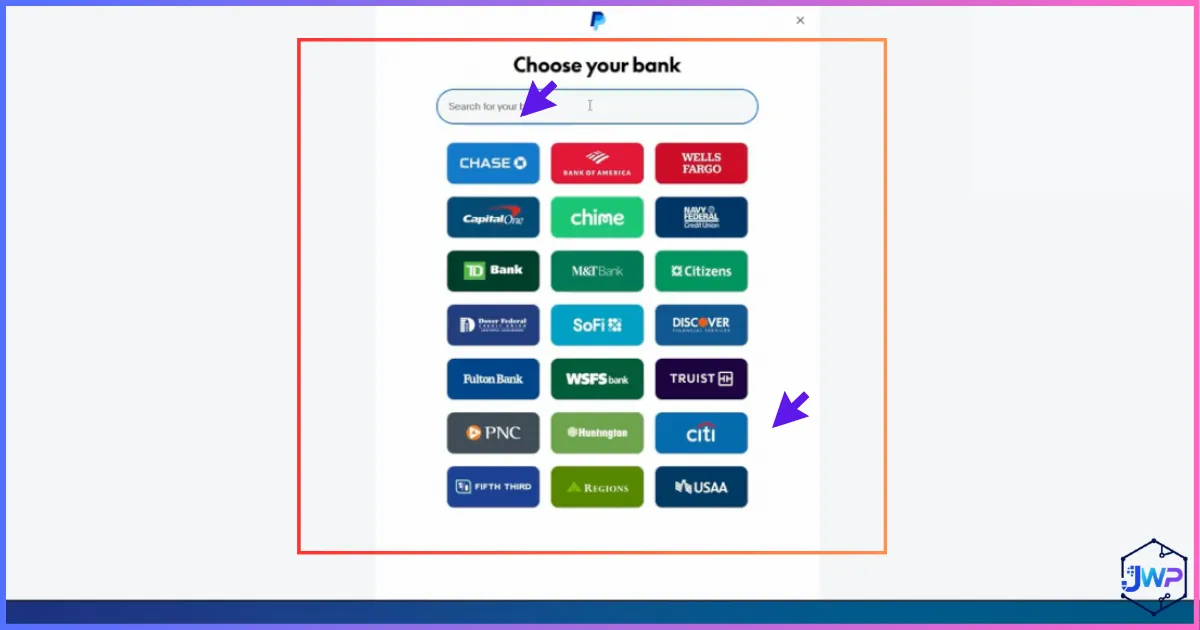
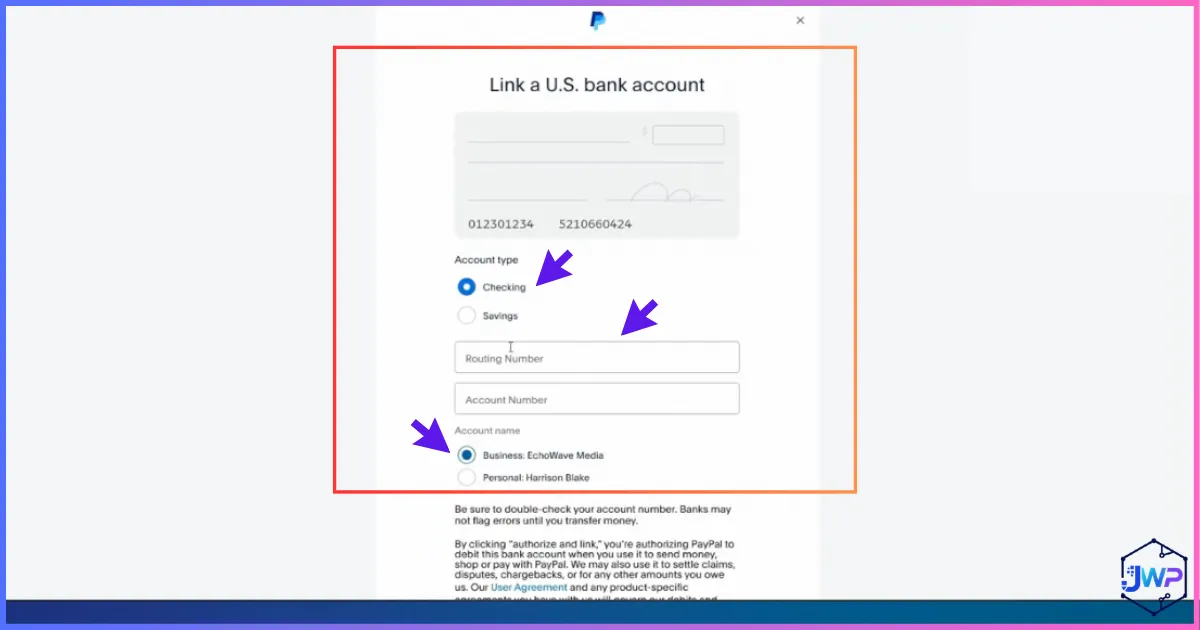
Step 14 — Fill bank details manually
Enter the sort code/account number or routing details exactly as shown in Payoneer, Wise, or your other provider. Character-level accuracy matters; a single wrong digit fails verification.
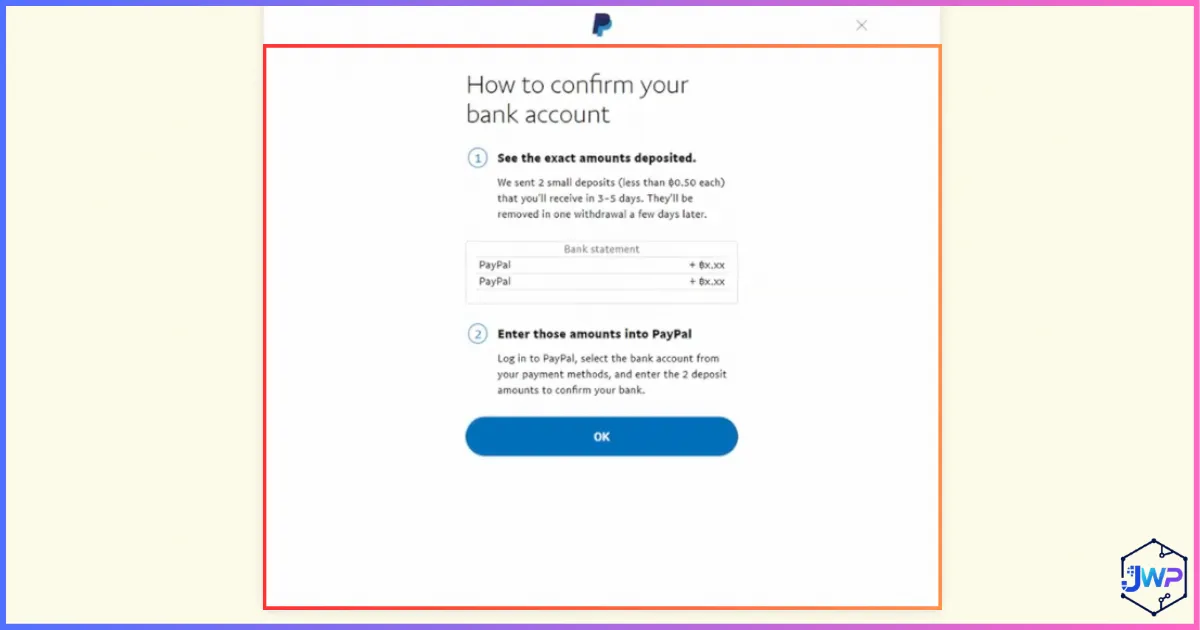
Step 15 — Confirm micro-deposits
PayPal typically sends two small deposits. When they appear in your banking dashboard, return to PayPal and enter the exact amounts to prove control of the account.
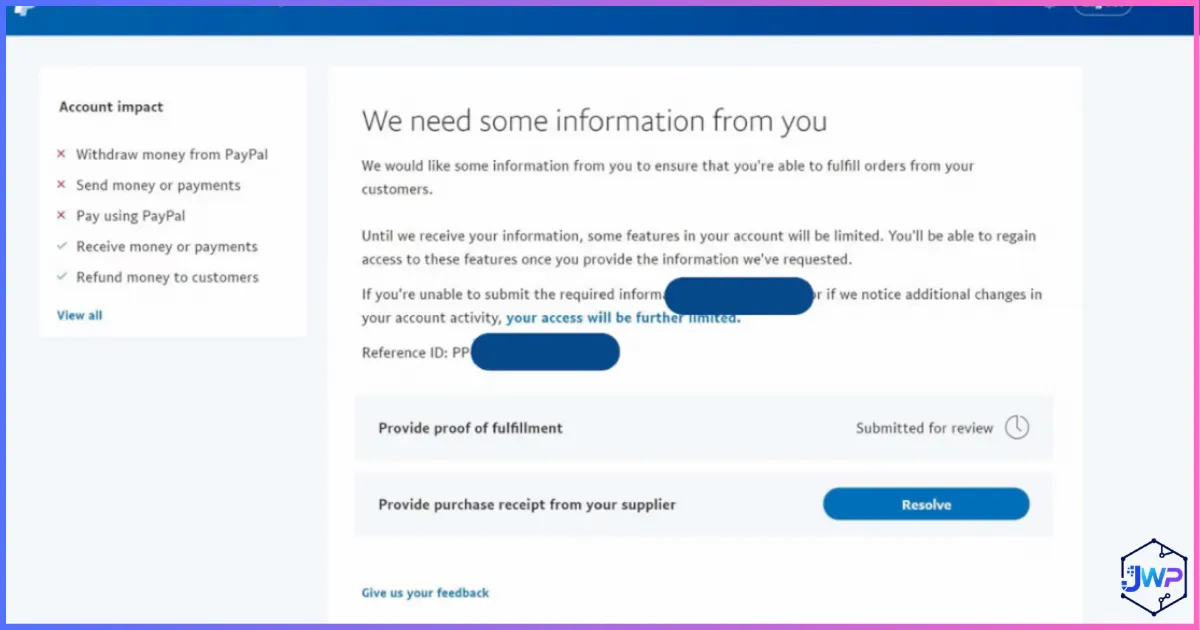
Step 16 — Additional information requests
New business accounts sometimes get follow-up questions or document requests. This is common, not automatically a ban. Respond with the same LLP documents and clear explanations of your business model.
Entity first, then payments
If you still need the LLP or banking layer, complete those before forcing a PayPal application through.
Link and Verify Your Bank Account
Bank linking is where many otherwise good applications stall. Expect manual entry if your fintech is not in PayPal’s instant-link bank list.
- Copy account credentials directly from the banking dashboard — do not type from memory.
- Choose the correct account type (usually checking/current).
- Wait for micro-deposits; they can take longer with fintech rails than with domestic high-street banks.
- Confirm amounts exactly; rounding guesses fail.
- Keep a PDF statement once available — useful if PayPal asks for proof later.
Name match: The bank account should be in the business name whenever your provider supports business accounts. Personal accounts linked to a business PayPal profile are a common source of review friction.
Warm Up the Account Safely
A verified account is not the same thing as a trusted account. Risk systems look at velocity, dispute rates, category risk, and whether activity looks like a real business.
Week 1–2
Complete profile details, link bank, send/receive a very small legitimate payment, confirm email/phone remain accessible.
Week 3–4
Issue normal client invoices or checkout orders at modest amounts. Keep product descriptions accurate.
Month 2+
Scale gradually with real customers. Avoid sudden spikes from $0 to very large volume with no history.
- Prefer steady activity over long silence followed by a surge
- Respond to customer disputes quickly and professionally
- Keep the same business URL and brand across invoices when possible
- Do not run prohibited or high-risk verticals without understanding PayPal’s acceptable use policy
Cost Breakdown and Charts
Exact totals depend on state/package promotions, whether you buy address/phone add-ons, and which banking products you activate. The charts below use illustrative planning ranges for a typical non-resident who wants a durable PayPal Business setup — not a promise of checkout pricing.
Illustrative year-one cost mix (UK LLP route)
Illustrative planning mix only. Confirm live fees with 1st Formations, Companies House, Payoneer/Wise, PayPal, and any phone/VPN vendors before budgeting.
Setup complexity by stage (relative effort)
Relative effort scores are editorial estimates based on common non-resident workflows, not a scientific index.
| Line item | When it hits | Notes |
|---|---|---|
| Formation package | Day 0 | Agent fee + Companies House filing components |
| Registered office / service address | Yearly | Usually required for non-residents |
| Banking / FX fees | Ongoing | Depends on corridors and volume |
| Phone rental (optional) | Monthly/yearly | Only if you choose a dedicated rented number |
| VPN (optional) | Monthly/yearly | Hygiene/consistency tool, not a legal requirement |
| Accounting / tax advice | Annual | Strongly recommended cross-border |
| PayPal merchant fees | Per transaction | Varies by country, product, and cross-border rules |
Tax, Compliance, and Legal Boundaries
A payment account is not a tax strategy. Keep these boundaries clear:
- UK LLP tax transparency: The partnership generally does not pay UK Corporation Tax like a Ltd company. Members may still owe tax where they are resident or where income is sourced.
- UK filings: LLPs still have Companies House obligations (confirmation statements, accounts). Missing filings can lead to penalties or strike-off risk.
- PayPal acceptable use: Prohibited goods/services, extreme chargeback rates, and misrepresentation can limit accounts regardless of entity quality.
- No fake residency schemes: Do not buy stolen identities, forged utility bills, or “aged PayPal accounts.” Those practices can destroy the business you are trying to build and may be illegal.
Protect the company: Every shortcut that involves false documents or false UK residency claims can jeopardize both PayPal access and the underlying LLP. If a tactic requires lying to a regulated financial institution, it does not belong in this playbook.
Common Mistakes That Get Accounts Limited
Application mistakes
- Personal account instead of Business account
- Entity type that does not match LLP/LLC reality
- Legal name typos vs formation certificate
- Address that is not the registered office on file
- Uploading blurry or cropped passport images
Operational mistakes
- Letting a rented verification number expire
- Jumping to high volume on day one
- Mixing personal and business funds carelessly
- Ignoring additional document requests
- Using free VPNs that trigger security blocks
Final Checklist
- UK LLP formed and documents downloaded
- Registered address confirmed and written exactly as on paperwork
- Payoneer and/or Wise application submitted/approved
- Phone number strategy chosen and tested for SMS delivery
- VPN decision made consciously (use consistently or skip — avoid random switching)
- PayPal Business application completed with matching business details
- Identity verification uploaded and cleared
- Bank linked and micro-deposits confirmed
- First small legitimate transactions completed
- Calendar reminders set for formation renewals, confirmation statements, and tax deadlines
Build the stack in the right order
Entity → banking → phone plan → PayPal → gradual volume. That sequence prevents most avoidable failures.
Frequently Asked Questions
Can a non-UK resident open a personal UK PayPal account?
In stable, long-term form, usually no — not without meeting PayPal’s UK residency and identity rules. Most durable non-UK resident setups use a UK PayPal Business account under a real UK company or LLP, not a personal account forced open with a VPN.
Do I need to live in the UK to open UK PayPal Business?
You do not need to live in the UK if you have a legitimate UK-registered business (such as an LLP), matching documents, banking, and verifiable owners. Living in the UK is not the requirement — truthful business establishment and KYC are.
Is a UK PayPal Business account the same as a US PayPal account?
No. A UK PayPal Business account is a UK-country business profile. It can still be highly useful for multi-currency clients (including USD in many cases), but it is not identical to a US-registered merchant profile. If you specifically need a US profile, that is a separate US LLC path (see the related section above).
Do I need a VPN?
No. A VPN is optional. Some people use a reputable VPN for consistent access patterns when managing a foreign business account. It is not a legal requirement and must never be used to misrepresent residency or to support illegal activity.
Do I need a temporary number service?
No. You can use your own number, explore registered-agent/phone add-ons where available, or rent a dedicated number you maintain long term. If you rent, treat it as yearly infrastructure so you do not lose access to OTPs later.
How many members does a UK LLP need?
At least two. They can both be non-UK individuals, or one can be your existing overseas company acting as a member alongside you.
Which is better for PayPal: Payoneer or Wise?
Can I use Mercury with a UK LLP?
Mercury is oriented around US business entities. For a pure UK LLP + UK PayPal stack, prioritise Payoneer and/or Wise. Mercury is only relevant if you also operate a qualifying US company for other goals.
Will PayPal accept my foreign passport?
Passports are commonly accepted for non-resident owner verification. Upload clear, uncropped colour images and make sure the name matches the business owner fields.
How long does bank verification take?
Instant-link banks can verify quickly. Manual micro-deposits may take one to several business days depending on the banking provider and corridor.
What if PayPal asks for more documents after approval?
Provide them. Use the same LLP/LLC packet: incorporation proof, address evidence, owner ID, and a short plain-English description of products, customers, and expected volumes.
Is this tax-free income?
No. Entity choice changes how and where income is reported; it does not magically erase tax obligations. Speak with a qualified advisor in your country.
Can I run multiple PayPal accounts?
PayPal’s rules on multiple accounts are strict. Extra accounts generally need a legitimate separate business basis and still must follow the user agreement. Do not open duplicates to evade limitations.
Sources
Primary references and further reading
- PayPal Investor Relations — active accounts and total payment volume disclosures in periodic earnings materials: investor.pypl.com
- PayPal Help Center / User Agreement — business account verification, acceptable use, and country rules (check the live documents for your region).
- Companies House (GOV.UK) — LLP incorporation guidance, filing duties, and fees: gov.uk/government/organisations/companies-house
- HMRC guidance on partnerships and tax registration for UK structures (confirm current forms and thresholds on GOV.UK).
Figures and product UIs change. Always verify live pricing, eligibility, and legal requirements with official providers and qualified professionals.
Disclosure: Some links in this article are affiliate links (including 1st Formations, Payoneer, Wise, NordVPN, Northwest, Receive SMS, and related services). If you purchase through them, JoshWP may earn a commission at no extra cost to you. This article is educational and not legal, tax, or financial advice. PayPal, banks, and formation agents make their own approval decisions.