How to Form a US LLC as a US Citizen: Step-by-Step Guide
State Filing · Registered Agent · EIN · Banking · Compliance
Form a Real U.S. LLC the Clean Way — With the Right State, Records, Banking, and Compliance Plan
A complete, practical, non-biased guide to forming a U.S. LLC as a citizen: state choice, registered agent, Articles of Organization, EIN, operating agreement, Payoneer, Wise, taxes, privacy, and the exact Northwest checkout screens.
Quick Answer
To form a US LLC as a citizen, choose the right state, pick a compliant business name, appoint a registered agent, file Articles of Organization with the state, create an operating agreement, get an EIN from the IRS, open a business bank account or payment account, and maintain annual state, tax, and recordkeeping obligations. You can do this yourself through your state filing office, hire a lawyer, or use a formation service such as Northwest Registered Agent.
The most overlooked point is state choice. If you are a U.S. citizen physically operating from a state, hiring there, storing inventory there, meeting clients there, or running a home office there, your home operating state is usually the first state to analyze. Forming in Wyoming or Delaware does not automatically avoid registration, taxes, or annual fees in the state where you actually do business.
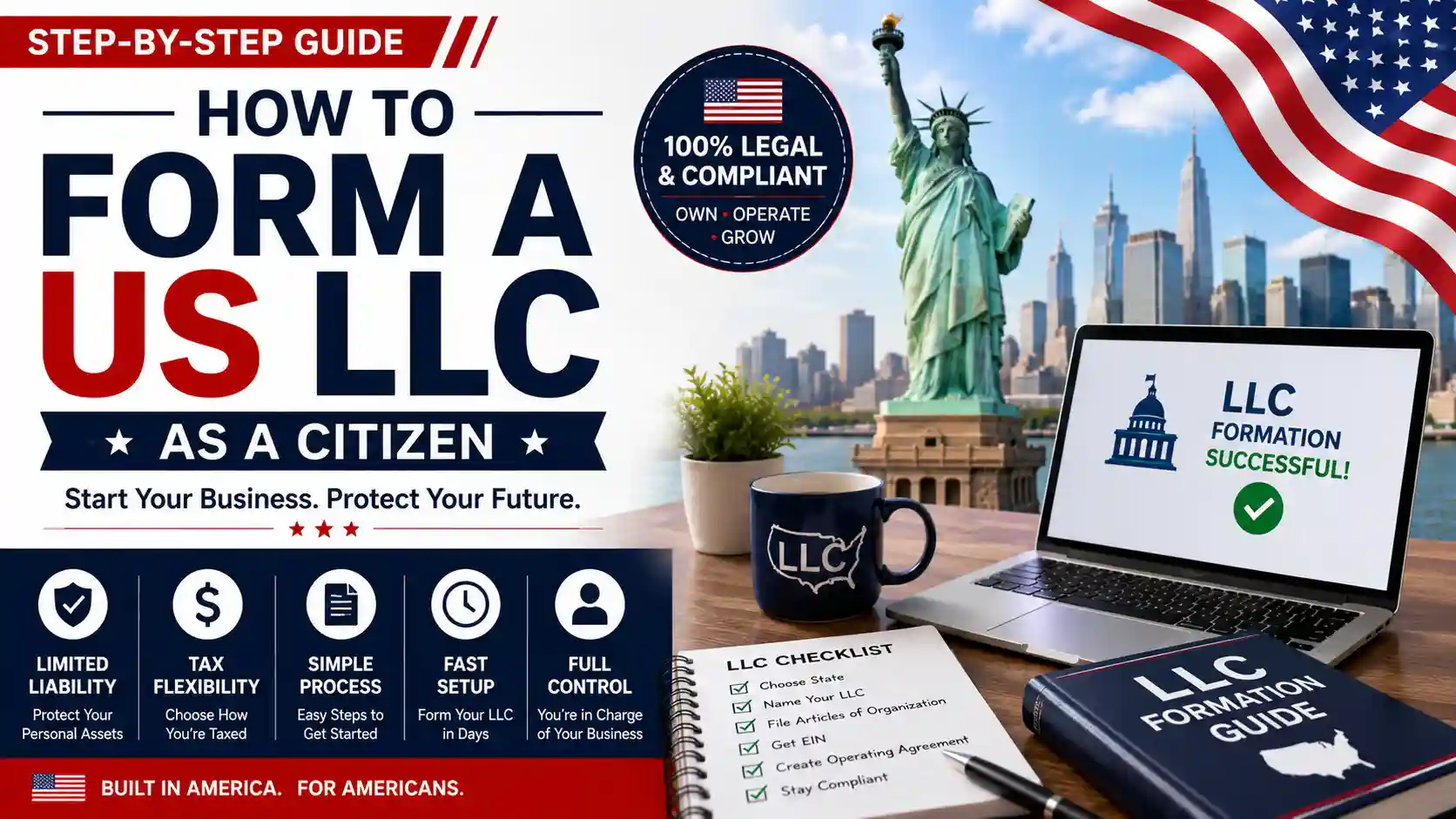
Table of Contents
- LLC stats and charts
- Is an LLC right for you?
- Choose the best state
- Formation checklist
- Northwest formation screens
- EIN and tax ID
- Tax classification choices
- Operating agreement
- Banking, Payoneer, and Wise
- Taxes and compliance
- First 30 days after approval
- Privacy and anonymous LLCs
- Use cases
- Common mistakes
- DIY vs Northwest vs lawyer
- FAQ
- Sources
Startup Workflow Effort by Stage
Editorial model: formation is only one part of the full LLC setup.
Estimated First-Year Cost Ranges
Illustrative ranges before industry-specific licenses, accounting, legal work, or state-specific taxes.
Is an LLC the Right Structure for a Citizen?
An LLC is a state-created business structure that can combine liability protection with flexible tax treatment. The SBA explains that business structure affects taxes, paperwork, liability, and the ability to raise money. The IRS explains that LLCs are allowed by state law and can be treated federally as disregarded entities, partnerships, or corporations depending on ownership and elections.
| Structure | Best For | Trade-Offs | Typical Tax Treatment |
|---|---|---|---|
| Sole proprietorship | Testing a low-risk idea with no formal entity. | No separate liability shield; harder to build business credit and banking separation. | Reported on personal return. |
| LLC | Freelancers, creators, agencies, ecommerce sellers, consultants, rental owners, and small teams. | State fees, annual compliance, separate records, possible self-employment tax. | Default pass-through unless an election is made. |
| S corporation election | Profitable owner-operated businesses that may benefit from payroll/distribution planning. | Payroll, reasonable salary rules, extra tax complexity, eligibility limits. | Pass-through S corporation tax status. |
| C corporation | Venture-backed startups, stock plans, institutional investment, high-growth tech. | More formalities, possible double taxation, stronger admin burden. | Corporate tax; shareholders taxed on dividends. |
Balanced view: An LLC is not magic paperwork. It works best when you also keep separate bank accounts, sign contracts in the LLC name, maintain records, avoid mixing personal and business funds, and comply with state and tax deadlines.
Step 1: Choose the Best State for Your LLC
For U.S. citizens, the most common answer is also the least flashy: form in the state where you actually operate. If you live and run the business in Texas, California, Florida, New York, Georgia, or Illinois, forming elsewhere may still require you to register as a foreign LLC in your operating state. That can mean two filing systems, two registered agents, and more fees.
A state is not “best” in the abstract. It is best for a specific owner, business model, tax footprint, privacy preference, and future plan. A one-person design studio in Ohio, a rental property owner in Arizona, a Delaware startup planning venture funding, and a Wyoming holding company do not have the same state-choice answer.
| Your Situation | State to Analyze First | Why | Caution |
|---|---|---|---|
| You work from home in one state | Your home operating state | You likely have physical presence there. | Out-of-state formation may add foreign registration. |
| You have a store, office, employees, or inventory | State where operations exist | Physical operations usually drive compliance. | Local licenses, sales tax, payroll, and zoning may apply. |
| Pure online business with no clear physical operation beyond owner | Your residence plus Wyoming/Delaware comparison | Remote states may be worth comparing for fees and privacy. | Home-state tax and registration rules may still apply. |
| Venture-backed startup plan | Delaware C corp discussion, not default LLC | Investors often prefer Delaware corporations. | Ask counsel before forming an LLC. |
| Factor | What to Check | Why It Changes the Answer |
|---|---|---|
| Annual report fee | State renewal cost and due date. | A cheap filing state can become expensive if annual fees are high. |
| Franchise or gross receipts tax | Whether the state charges a minimum tax or revenue-based tax. | Some states cost money even before the business is profitable. |
| Foreign qualification | Whether you must register in the state where you actually operate. | Out-of-state formation can double paperwork instead of reducing it. |
| Public records | Whether owners, managers, organizers, or addresses appear publicly. | Privacy goals should be matched to the actual state database rules. |
| Industry licensing | Professional, food, construction, financial, health, local permits. | The LLC filing does not authorize regulated activity by itself. |
| Future investors | Whether you may need a C corporation later. | Some startup paths are better planned with counsel before forming an LLC. |
Decision shortcut: Start with your home operating state. Only compare Wyoming, Delaware, Nevada, or another remote state after you know whether your home state will require foreign qualification anyway.
For non-U.S. residents, the decision matrix is different. If that is your situation, read the companion guide on how to form an LLC for non-US residents and the comparison of best LLC formation services for non-US residents.
Step 2: Prepare the LLC Formation Checklist
Business Name
Check state availability and naming rules. Avoid names that imply regulated services unless you are licensed.
Registered Agent
Appoint a person or service with a physical in-state address that can receive official mail.
Business Address
Decide whether to use your home, office, virtual office, or a privacy-oriented address strategy allowed by your state.
Management
Choose member-managed or manager-managed. Most small single-owner LLCs are member-managed.
Articles of Organization
File the official formation document with your state filing office or through a service.
Operating Agreement
Create internal rules for ownership, authority, profits, records, and transfers even if your state does not file it publicly.
EIN
Apply after the LLC is formed. The IRS says eligible applicants can get an EIN directly for free.
Banking and Books
Open business banking, connect payment tools, track income/expenses, and save receipts from day one.
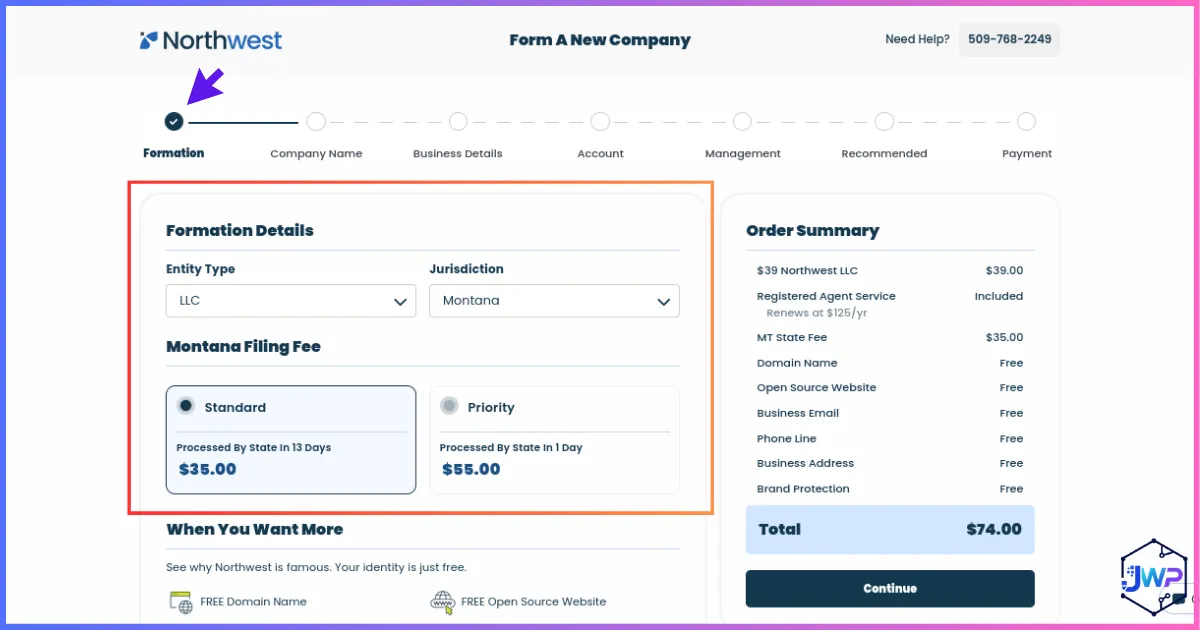
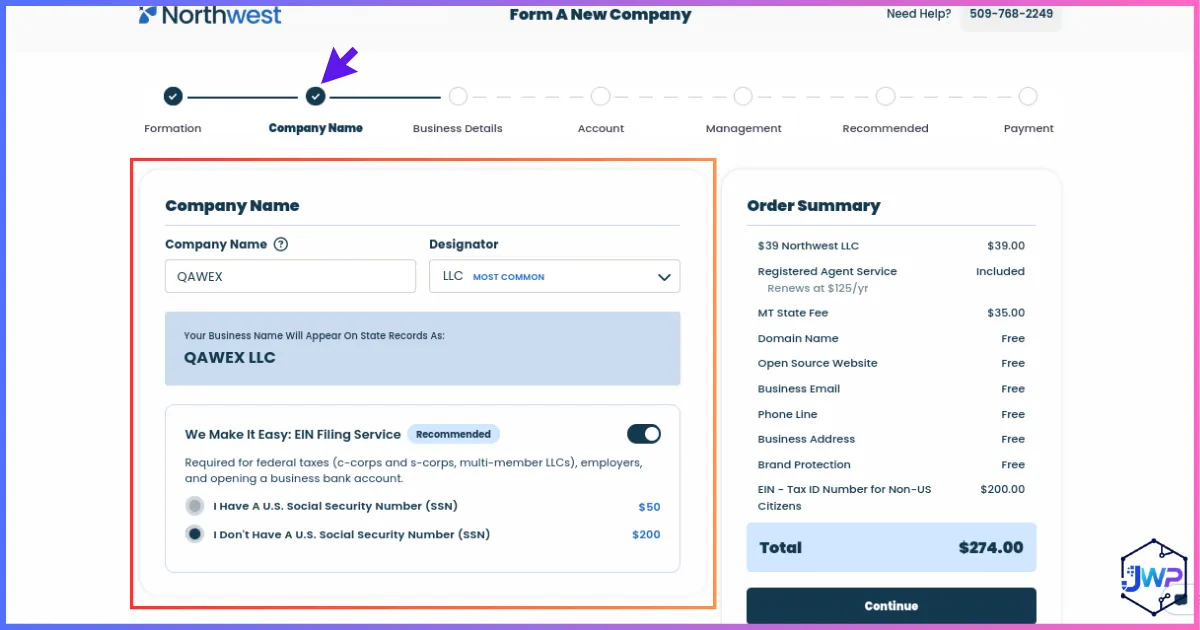
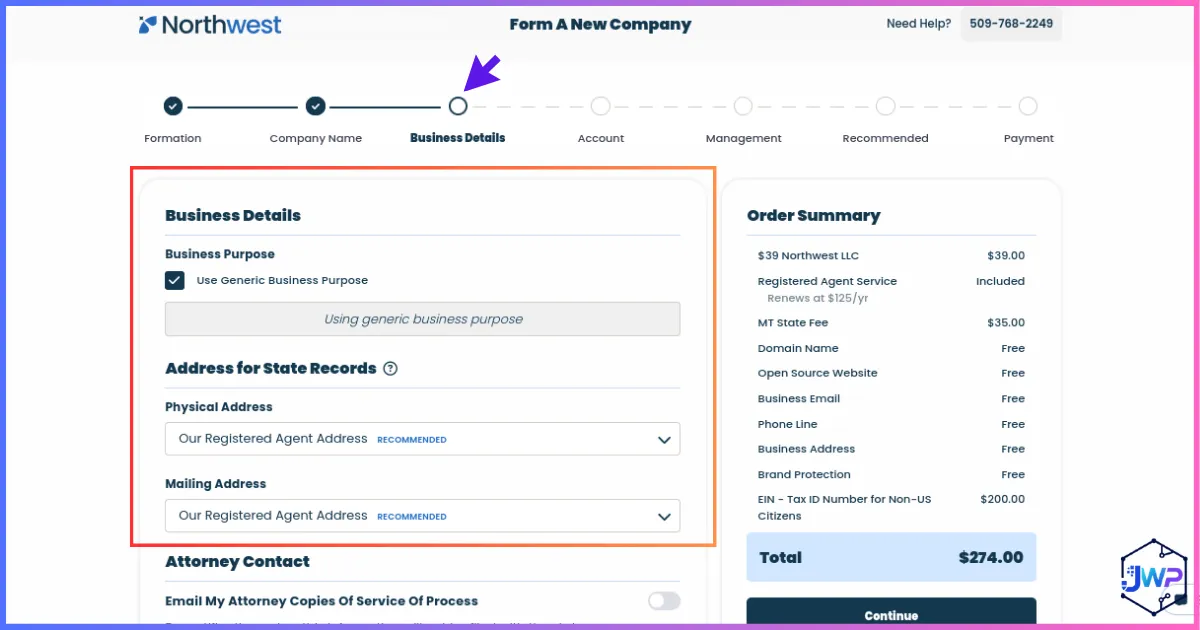
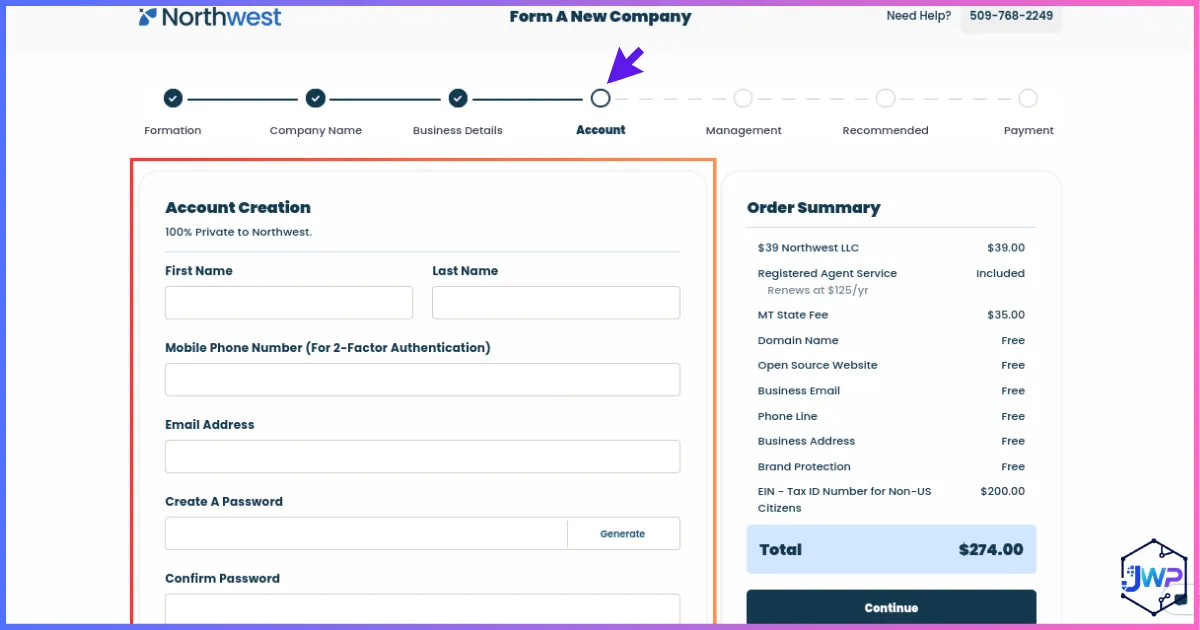
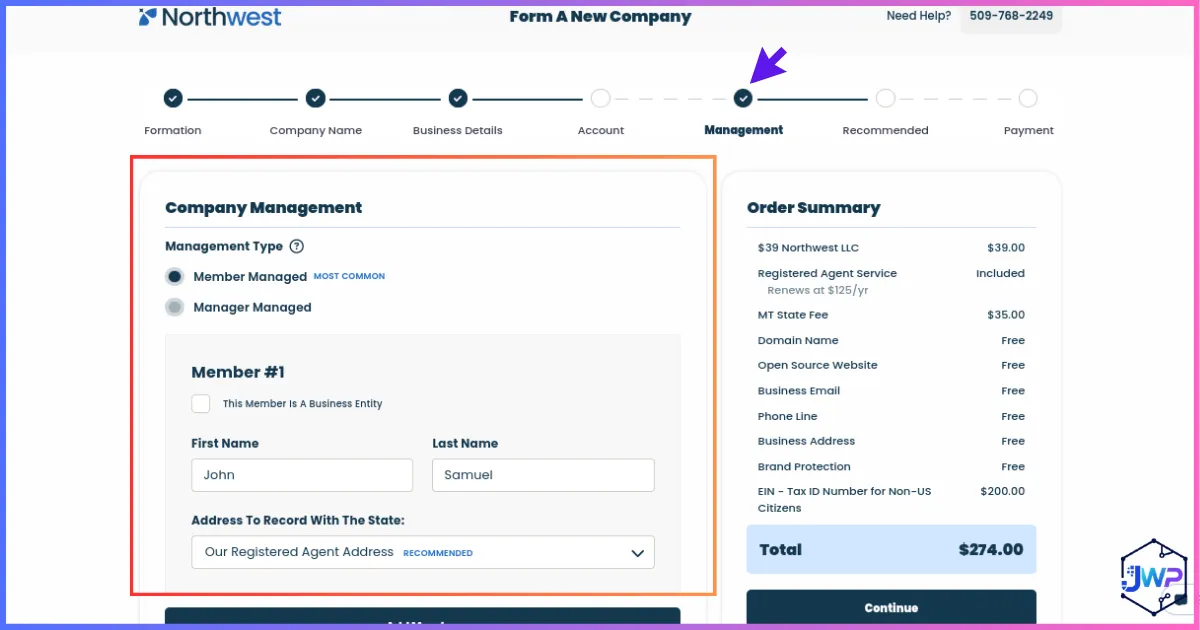
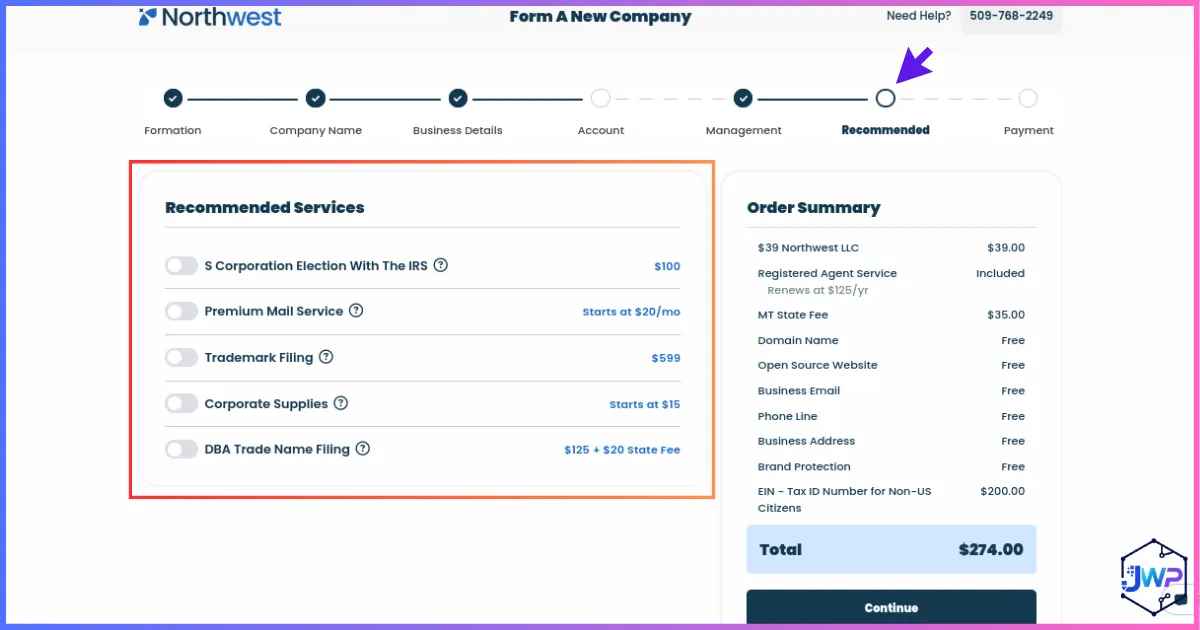
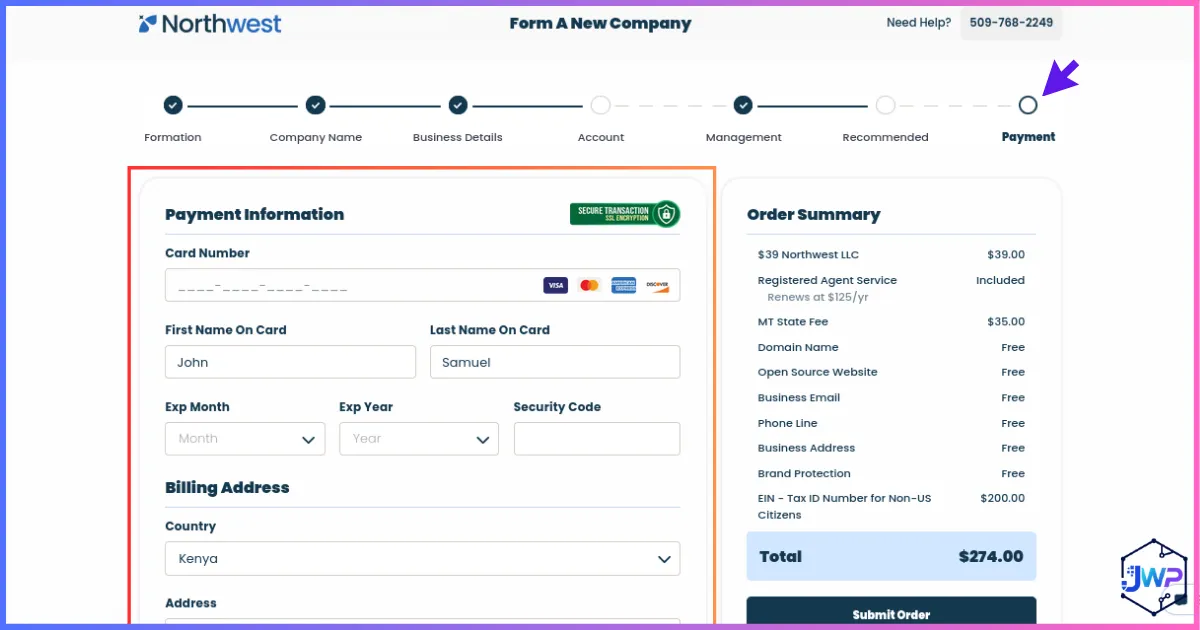
Northwest Formation Screens: What Each Step Means
Northwest Registered Agent is a strong option if you want a privacy-conscious registered agent, a guided filing flow, and less aggressive upsell pressure than many budget providers. It is not the only valid route: DIY state filing and attorney-led formation can also be appropriate. The screenshots below show the basic Northwest flow and what to watch for at each step.
Step 3: Get an EIN After Formation
An Employer Identification Number, or EIN, is the federal tax ID number for your LLC. The IRS says you should form the legal entity with the state before applying for the EIN. Eligible applicants can apply online for free directly through IRS.gov, but the online tool is for businesses with a principal place of business in the U.S. or U.S. territories and requires a responsible party with an SSN or ITIN.
Do not pay just because a site says EINs are complicated. If you are eligible for the IRS online EIN application, the IRS says you never have to pay a fee for an EIN. Formation services can still be useful if you want convenience, but the government EIN itself is free.
| Option | Cost | Best For | Watch Out |
|---|---|---|---|
| IRS online EIN application | $0 | Eligible U.S.-based applicants with SSN/ITIN. | Session expires after inactivity; one EIN per responsible party per day. |
| Formation service EIN add-on | Varies | Owners who value convenience or want one provider handling steps. | Compare cost against doing it free yourself. |
| CPA or attorney | Professional fee | Complex ownership, tax elections, multi-member entities, or restructuring. | More expensive but may prevent bigger mistakes. |
Step 4: Understand LLC Tax Classification Before You Operate
An LLC is a legal entity created under state law, but federal tax treatment depends on ownership and elections. The default is often simple, but not always optimal. Before you pay yourself, hire employees, or elect S corporation status, understand the baseline.
| LLC Type | Default Federal Treatment | Common Forms | When to Get Professional Help |
|---|---|---|---|
| Single-member LLC | Disregarded entity by default, generally reported with the owner’s return. | Often Schedule C for active business income, depending on activity. | When income grows, you hire, sell across states, own rentals, or consider S corp election. |
| Multi-member LLC | Partnership by default. | Partnership return and K-1s are commonly involved. | Always wise to use a CPA because allocations, basis, and partner changes get complex. |
| LLC taxed as S corporation | Requires election if eligible. | Payroll filings plus S corporation return. | Before election, because reasonable salary, payroll, state recognition, and savings must be modeled. |
| LLC taxed as C corporation | Requires election. | Corporate return. | Usually for specific planning reasons; ask a tax professional first. |
S corp caution: Social media often sells S corporation election as an automatic tax hack. It can help some profitable owner-operated businesses, but it adds payroll, tax filings, reasonable compensation analysis, and state-level complexity. Model it with a CPA before filing an election.
Step 5: Create an Operating Agreement
An operating agreement is the internal rulebook for the LLC. It should explain ownership percentages, contributions, voting rights, profit distributions, management authority, recordkeeping, member exits, dispute handling, and dissolution. Single-member LLC owners sometimes skip it, but that is a mistake. A simple agreement helps show that the LLC is separate from you personally.
Single-Member LLC
Use it to document ownership, authority, and separation between personal and business assets.
Multi-Member LLC
Use it to prevent arguments about voting, buyouts, profit sharing, and member exits.
Creator or AdSense LLC
If your LLC holds content revenue, keep platform, bank, tax, and ownership records aligned. See the guide to creating an LLC for a YouTube channel and Google AdSense.
| Clause | Why It Matters | Single-Member Note |
|---|---|---|
| Authority to sign | Banks, clients, and vendors need to know who can bind the company. | Name yourself clearly as authorized representative. |
| Capital contributions | Documents what the owner put into the company. | Useful if you fund startup costs personally. |
| Distributions | Explains how profits can be paid out. | Keep distributions separate from reimbursements and payroll. |
| Recordkeeping | Supports the LLC’s separate existence. | Define where records are stored and how decisions are documented. |
| Transfer or death | Prevents chaos if ownership changes. | Still important for estate planning and continuity. |
Step 6: Open Banking, Payoneer, or Wise
After formation and EIN, open a dedicated business bank account or business payment account. For U.S. citizens with a local banking relationship, a traditional bank or credit union may be the simplest route. For online businesses, agencies, freelancers, and international clients, Payoneer and Wise can be useful additions, especially for receiving multi-currency payments or managing cross-border vendor/client flows.
| Option | Best For | Pros | Cons |
|---|---|---|---|
| Traditional business bank | Local businesses, U.S. payroll, checks, cash deposits, credit products. | Strong legitimacy, lending options, branch support. | More paperwork, possible monthly fees, less flexible international receiving. |
| Online business bank or fintech | Remote businesses and digital founders. | Fast onboarding, clean dashboard, lower fees. | Eligibility and support quality vary. |
| Payoneer | Marketplaces, freelancers, international receiving, platform payouts. | Good for cross-border business payments and marketplace ecosystems. | Not a full replacement for every banking need. Review fees and limits. |
| Wise Business | Multi-currency balances, international invoices, contractors, global clients. | Transparent FX model, useful account details where available. | Availability and account details depend on region and compliance review. |
| Document | Why Banks Ask | Practical Tip |
|---|---|---|
| Articles/Certificate of Organization | Proof the LLC legally exists. | Save the state-approved PDF, not just a receipt. |
| EIN confirmation letter | Confirms the federal tax ID. | Download or print the IRS confirmation immediately. |
| Operating agreement | Shows ownership and signing authority. | Even single-member LLCs are often asked for it. |
| Owner ID and SSN/ITIN | Customer identification and beneficial ownership checks. | Use accurate personal details; do not use nominees for banking deception. |
| Business address and contact info | Bank profile, statements, compliance notices. | Use an address strategy you can document. |
| Business website, invoices, or contracts | Some fintechs want proof of activity. | Have a simple website or professional profile ready. |
Payment processor note: If you plan to use PayPal for the LLC, read how to create a U.S. PayPal account as a non-US resident if you are outside the U.S., or use the same principle as a citizen: your LLC name, EIN, bank account, business address, website, phone number, and owner identity should be accurate and consistent.
Taxes, Licenses, and Compliance After Formation
Formation is not the finish line. After your LLC is approved, you may still need state annual reports, franchise taxes, city or county business licenses, sales tax registration, payroll accounts, bookkeeping, federal tax returns, estimated tax payments, and industry permits. The exact list depends on your state, city, industry, revenue model, and whether the LLC has employees.
| Task | When | Why It Matters | Who Helps |
|---|---|---|---|
| Annual report/state renewal | Usually yearly or biennial, varies by state. | Keeps LLC in good standing. | State office, registered agent, formation service. |
| Federal tax filing | Annual; form depends on tax classification. | LLC tax treatment varies by members and elections. | CPA or tax software. |
| Sales tax | Before taxable sales when nexus exists. | Marketplaces and direct sellers have different duties. | CPA, sales tax software, state revenue agency. |
| Bookkeeping | Weekly/monthly. | Supports taxes, decisions, loans, disputes, and audits. | Bookkeeper, accounting software. |
| Registered agent mail | Ongoing. | Legal notices and state mail can be time-sensitive. | Registered agent service. |
| Question | Why It Matters | Where to Start |
|---|---|---|
| Will you sell taxable products or services? | Sales tax duties vary by state and product category. | State revenue agency, CPA, sales tax software. |
| Will you hire employees or contractors? | Payroll tax, workers’ compensation, contractor forms, and labor rules may apply. | Payroll provider, CPA, state labor agency. |
| Will you operate from home? | Local business licenses, zoning, home office deductions, and insurance can matter. | City/county clerk, tax preparer, insurance agent. |
| Will you sell on marketplaces? | Marketplaces may collect some sales tax but not solve all tax or income reporting issues. | Marketplace tax docs, bookkeeping records. |
| Will you collect customer data? | Privacy policies, data security, and breach-response duties may apply. | Attorney, privacy policy tools, platform terms. |
BOI update: FinCEN announced an interim final rule in March 2025 removing BOI reporting requirements for U.S.-created companies and U.S. persons under the Corporate Transparency Act framework described in that release. This area has changed quickly, so verify current FinCEN guidance before relying on any summary.
First 30 Days After Your LLC Is Approved
The first month sets the tone for the company. Your goal is to turn a state filing into a functioning business system with records, accounts, controls, and deadlines. This is where many owners lose the benefit of forming an LLC because they keep operating like a sole proprietor with a new logo.
| Timing | Action | Why It Matters |
|---|---|---|
| Day 1-3 | Save approved formation documents, registered agent details, receipts, and state confirmation. | Creates the core document folder banks and platforms may request. |
| Day 1-7 | Get EIN, complete operating agreement, and decide tax/bookkeeping workflow. | Prepares the LLC for banking, accounting, and tax reporting. |
| Day 7-14 | Open business banking and connect Payoneer or Wise if cross-border payments matter. | Separates company funds from personal funds before revenue starts. |
| Day 10-20 | Create invoice templates, contracts, website footer details, and payment processor profiles. | Keeps external documents consistent with LLC records. |
| Day 20-30 | Calendar annual report, tax, registered agent renewal, insurance, and license deadlines. | Prevents good-standing problems later. |
Simple operating rule: every dollar entering or leaving the LLC should have a business reason, a record, and a matching account entry. That habit matters more than any fancy formation package.
Privacy, Anonymous LLCs, and Registered Agents
Some citizens want to form an LLC privately because they run a home-based business, creator brand, rental operation, or online store and do not want a home address widely published. Privacy is legitimate, but it is not the same as hiding from taxes, banks, courts, or regulators.
Registered agents receive legal and state mail. They do not automatically make every part of your LLC anonymous. State rules vary on whether member, manager, organizer, and address information appears in public filings. If privacy is a priority, read the detailed guide on how to start an anonymous LLC and compare state-specific public-record rules before filing.
Compliance line: Use privacy tools for safety and business organization, not to misrepresent ownership, evade taxes, avoid debts, or deceive banks and payment platforms.
Common Citizen LLC Use Cases
Freelancer or Agency
Use an LLC for contracts, invoices, business banking, liability separation, and a more professional client profile.
YouTube or Creator Business
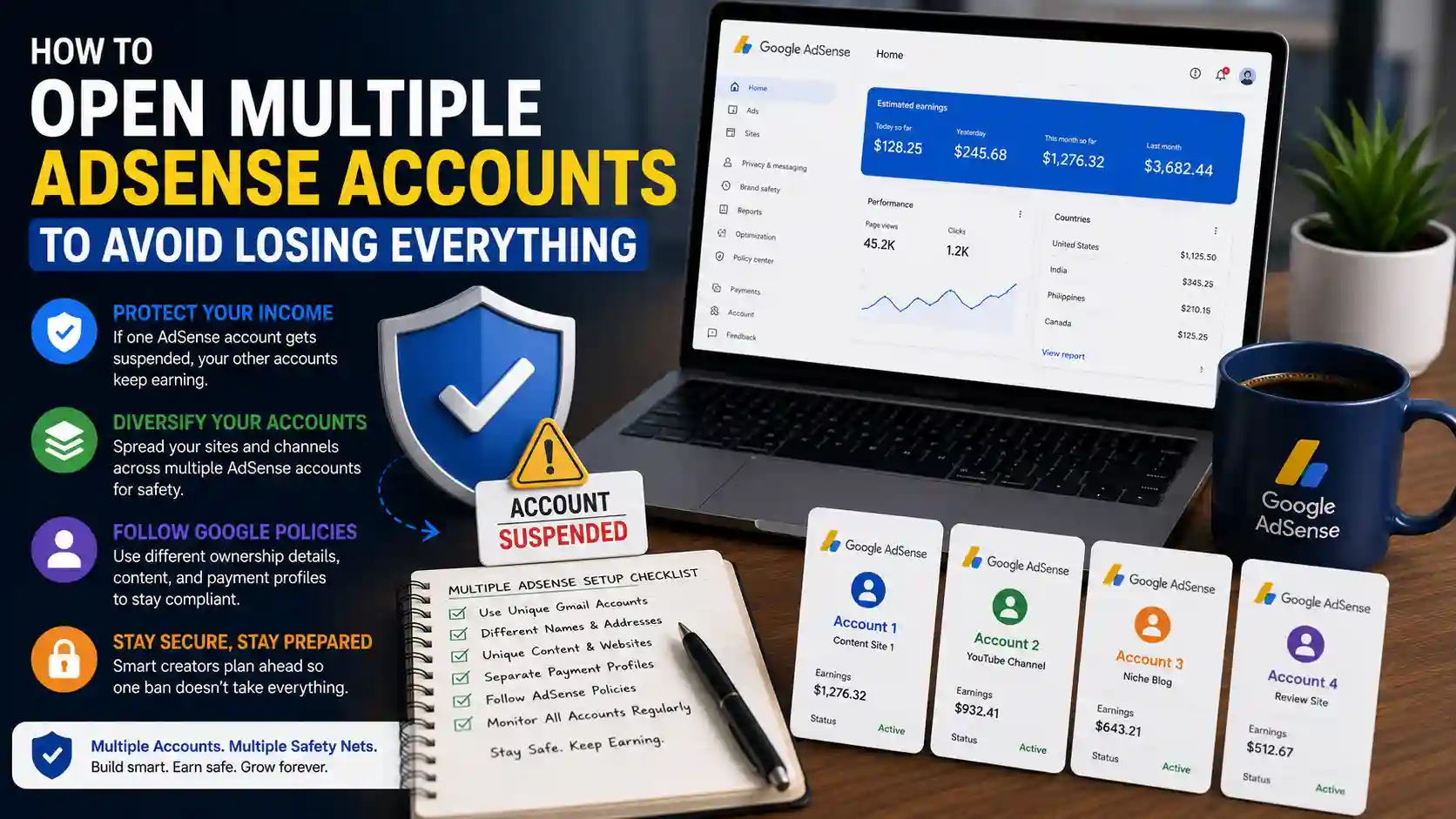
Helpful when sponsorships, AdSense, affiliates, merch, and contractors become more serious. Also read how to open multiple AdSense accounts before changing Google account strategy.
Ecommerce or Marketplace Seller
Use the LLC for supplier contracts, sales tax systems, payment processors, and a cleaner brand identity.
Rental or Real Estate
Often used for liability separation, but financing, insurance, due-on-sale clauses, and state law need careful review.
Consulting or Coaching
Good fit when client contracts, professional liability, and separate income tracking matter.
UK Company Alternative
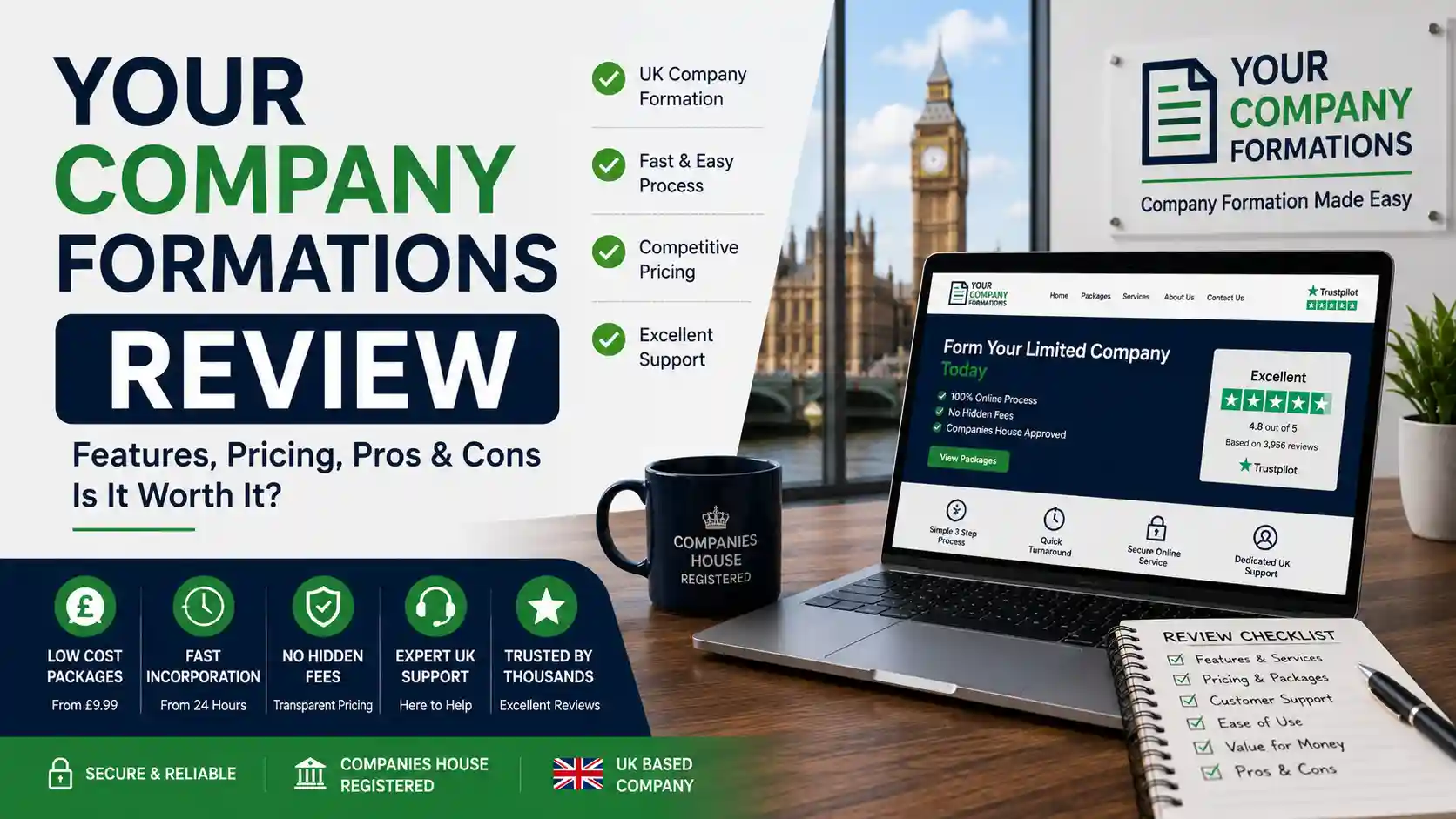
If you are comparing U.S. LLCs with UK company formation, see the Your Company Formations review for context.
Common Mistakes When Forming a US LLC as a Citizen
Forming in the Wrong State
Wyoming or Delaware may sound attractive, but your operating state may still require registration and taxes.
Skipping the Operating Agreement
Even single-member LLCs benefit from written internal records.
Mixing Personal and Business Money
Use a dedicated business account and bookkeeping workflow.
Assuming an LLC Eliminates Taxes
An LLC changes legal structure. It does not erase income tax, sales tax, payroll tax, or state obligations.
Buying Every Add-On
Some add-ons are useful; others can wait. Choose based on need, not checkout pressure.
Ignoring Insurance
Liability protection and business insurance solve different problems. Many LLCs need both.
Biggest pattern: Most LLC problems are not caused by filing the Articles of Organization incorrectly. They happen after formation: missed annual reports, bad bookkeeping, undocumented partner expectations, casual personal spending from the business account, and inconsistent information across banks, tax forms, and payment processors.
DIY vs Northwest vs Lawyer
| Route | Best For | Advantages | Disadvantages |
|---|---|---|---|
| DIY state filing | Simple local LLCs and owners comfortable with state forms. | Lowest service cost, direct control. | More room for missed steps, no bundled registered agent or support. |
| Northwest Registered Agent | Founders wanting guided filing, registered agent service, and privacy-minded support. | Simple workflow, professional registered agent, fewer distractions. | Costs more than pure DIY; still not legal/tax advice. |
| Attorney or CPA-led setup | Multi-member entities, tax elections, regulated industries, investment, complex ownership. | Personalized advice and documents. | Highest cost and slower start. |
Frequently Asked Questions
Can a U.S. citizen form an LLC in any state?
Generally yes, but forming in any state does not mean that state is the right choice. If you operate in your home state, you may still need to register and pay fees there even if the LLC is formed elsewhere.
Do I need a lawyer to form an LLC?
Not always. Many simple LLCs can be formed directly or through a reputable formation service. Use a lawyer when ownership is complex, partners are involved, you need custom contracts, or legal risk is high.
Is Northwest required?
No. Northwest is one reputable option, especially for registered agent support and a guided workflow. DIY filing, attorneys, and other formation services can also be valid depending on your needs.
Do I need an EIN for a single-member LLC?
Often yes in practice, especially for business banking, hiring, certain tax filings, and payment platforms. The IRS online EIN tool is free for eligible applicants.
Should I use Payoneer or Wise instead of a bank?
Use them as business payment tools, especially for international clients and marketplaces, but do not assume they replace every function of a full business bank account. Compare fees, availability, account details, and compliance rules.
Can an LLC help with PayPal, AdSense, or creator income?
It can help organize business records and banking, but platform approval depends on accurate information and each platform’s policies. Keep the LLC name, tax ID, bank account, address, and owner details consistent.
What should I do after the LLC is approved?
Save formation documents, create an operating agreement, get an EIN, open banking, set up bookkeeping, review licenses and sales tax, calendar annual reports, and monitor registered agent mail.
Sources
View Official Sources and Further Reading
- U.S. Small Business Administration: Choose a business structure
- IRS: Limited liability company (LLC)
- IRS: Employer Identification Number
- IRS: Get an employer identification number
- FinCEN: BOI reporting interim final rule announcement
- U.S. Census Bureau: Business Formation Statistics
- SBA: 21 million new business applications and 34 million small businesses
Form the LLC, Then Set Up Banking and Payments
The strongest setup is boring and consistent: correct state filing, registered agent, EIN, operating agreement, business bank account, clean bookkeeping, and accurate platform information.